Skip to content




If your Oviedo home has gone through several storm-related power outages, you may assume the electrical system is fine once the lights come back on. But repeated outages, flickering, breaker trips, and power restoration can put additional stress on electrical equipment, especially when the panel or its connections were already showing signs of wear.
Central Florida’s frequent thunderstorms make these events a normal part of the year, but that does not mean every panel needs an upgrade after an outage. The more useful question is whether your panel is showing signs of heat, loose connections, damaged breakers, inadequate capacity, or surge-related problems. Knowing what to look for can help you decide when a professional electrical panel inspection is warranted.
What Happens to an Electrical Panel During a Storm Outage?
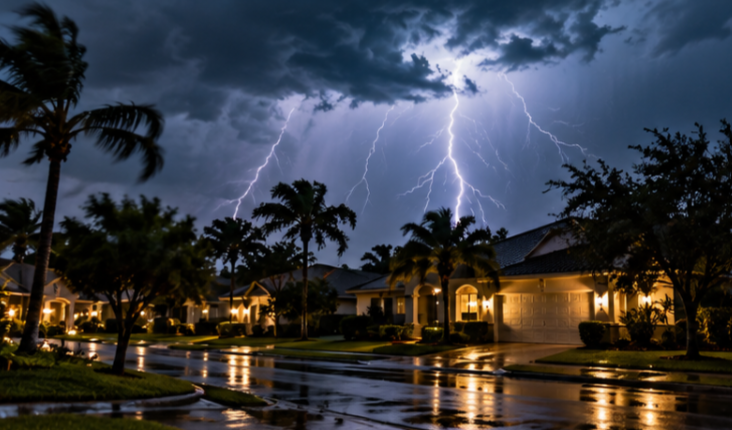
An electrical outage itself does not automatically damage your panel. The more important moment can be when power is restored and electrical equipment throughout the home starts operating again. Motors and other equipment can draw higher starting current as they come back online, creating conditions that are different from normal steady operation.
Storms can also expose existing weaknesses. A loose connection, aging breaker, damaged component, or overloaded circuit may have been operating without obvious symptoms before the outage. After repeated interruptions and restorations, those problems may become noticeable through heat, unusual sounds, nuisance trips, or changes in how appliances operate.
Oviedo and the surrounding Central Florida area also experience frequent thunderstorms and lightning activity. A nearby lightning event does not have to strike your home directly to create an electrical surge that reaches the home’s electrical system.
The important distinction is that an outage does not automatically mean your panel is damaged. It means the system has experienced another electrical event, so unusual behavior afterward deserves attention rather than being dismissed.
Which Warning Signs Mean Your Electrical Panel Needs Attention?
Your electrical panel can give you useful warning signs before a problem becomes a serious safety issue. Homeowners should pay attention to changes that appear after an outage, especially if the same symptom keeps returning.
| What You Notice | What It May Indicate |
|---|---|
| Burning or acrid smell | Overheating at a connection, breaker, or component |
| Warm panel cover or breaker | Excessive heat associated with resistance or an electrical connection |
| Repeated breaker trips | Circuit fault, overload, or a breaker that is no longer operating correctly |
| Buzzing or crackling | Possible arcing or a loose electrical connection |
| Lights dimming when appliances start | Possible circuit, capacity, or connection issue |
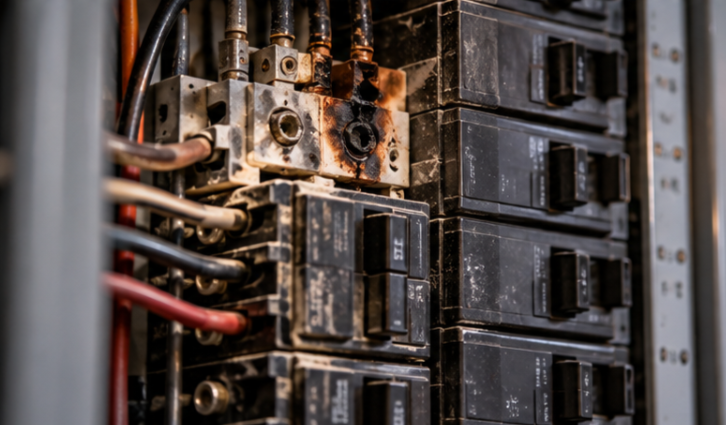
| Scorch marks or discoloration | Evidence that overheating has already occurred |
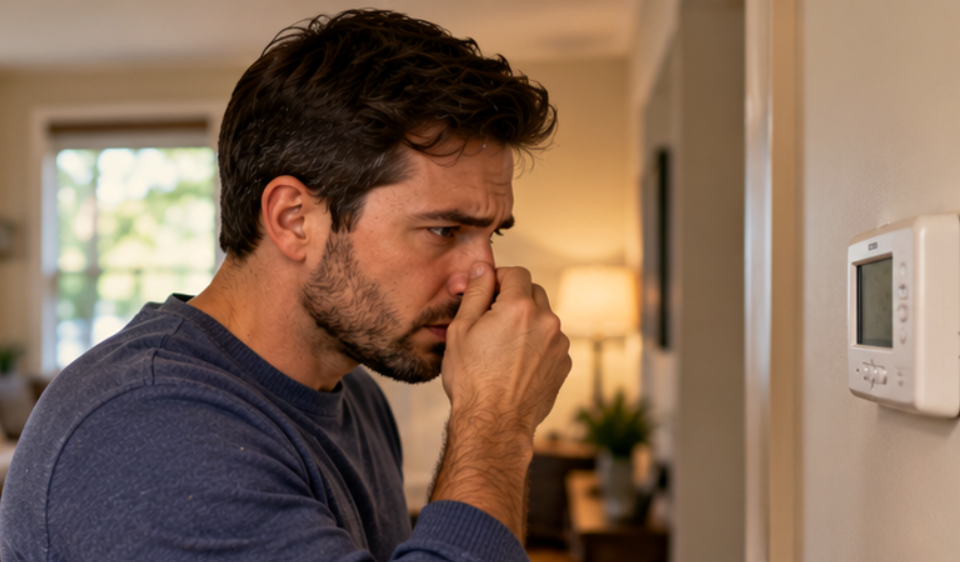
A burning smell, smoke, visible scorching, or a panel that feels unusually hot should not be treated as a routine maintenance issue. These signs can indicate overheating or electrical arcing and warrant prompt professional attention.
Homeowners can safely observe the exterior of the panel and note what has changed, but the panel cover should not be removed for inspection. Electrical components inside the panel can remain energized even when individual breakers are switched off. That is why internal panel inspection and testing should be performed by a qualified electrician.
Why Can Repeated Storm Outages Matter More Than One Long Outage?
One extended outage may be frustrating, but repeated interruptions and restorations create multiple electrical events over the course of a storm season. The effect on a particular panel depends on its condition, the connected loads, the severity of the electrical events, and whether the system already had underlying problems.
Repeated Equipment Startup
When power returns, equipment throughout the home may begin operating again. Air-conditioning equipment, refrigerators, pumps, and other motor-driven appliances can require higher starting current than they use during normal operation.
Heating and Cooling of Connections
Electrical components experience temperature changes as loads operate and shut down. Connections that are already loose or compromised can develop additional heat when current passes through them, making inspection important when there are signs of overheating.
Breaker Wear
Circuit breakers are mechanical and electrical safety devices. A breaker that repeatedly trips may be responding to a genuine circuit problem, but repeated operation can also reveal a breaker or circuit that needs professional evaluation.
Storm-Related Surges
Lightning activity in the surrounding area can contribute to electrical surges even without a direct strike on the property. Those surges can travel through electrical systems and potentially affect appliances, HVAC equipment, electronics, and other connected loads.
If your panel has become warm, noisy, discolored, or unusually prone to breaker trips after recent storms, it is worth having the system evaluated. If the panel is outdated or no longer provides adequate capacity for the home, an electrical panel installation and upgrade may also be considered based on the electrician’s findings.
What Should an Electrical Panel Inspection Include?
A proper electrical panel inspection looks beyond the cabinet exterior. An electrician evaluates the internal components, connections, breakers, grounding, and whether the panel can safely handle the home’s current electrical demand. Because this requires access to energized electrical components, internal panel inspection should be handled by a qualified electrician.
- Connections and terminals: Inspect connections for looseness, overheating, corrosion, and proper manufacturer-specified torque to reduce resistance and heat buildup.
- Breakers and circuit protection: Verify breakers are correctly sized, properly seated, and operating as intended without signs of damage or overheating.
- Heat damage and discoloration: Look for scorching, melted insulation, discoloration, or other evidence that excessive heat has affected components.
- Grounding and bonding: Check grounding and bonding connections to confirm the electrical system has appropriate safety paths for fault current.
- Panel capacity: Evaluate whether the existing panel can safely support today’s electrical loads, including air conditioning, pool equipment, appliances, and home offices.
- Future electrical demand: Consider planned additions such as EV chargers and determine whether the panel has adequate capacity for another dedicated circuit.
If you are considering an EV charger installation in Oviedo, evaluating available panel capacity beforehand can help determine whether additional electrical work is necessary.
What Happens During an Electrical Panel Inspection or Upgrade?
An electrical panel inspection is not simply a visual check followed by a recommendation to replace the panel. The electrician first determines how the existing system is performing, identifies any storm-related damage or electrical deficiencies, and then decides whether the appropriate solution is a repair, added protection, or a complete upgrade.
First, the Panel Is Evaluated for Storm-Related Damage
The electrician looks for evidence that recent outages, power restoration, or nearby lightning activity affected the panel. This includes checking for unusual heat, discoloration, damaged breakers, melted insulation, corrosion, or other signs that a component has been exposed to excessive electrical stress.
Next, Connections and Breakers Are Checked
Once the panel can be safely accessed, connections and breakers are examined for conditions that could create excessive resistance or unreliable circuit protection. Connections may be checked against manufacturer torque specifications, while breakers are evaluated for proper sizing, condition, and signs of overheating or repeated tripping.
Then, the Panel’s Electrical Capacity Is Reviewed
An inspection should also consider whether the panel still matches the home’s electrical demands. A house with central air conditioning, pool equipment, major appliances, a home office, or planned EV charging may place considerably more demand on the electrical system than it did when the panel was originally installed.
Finally, the Electrician Determines What Actually Needs to Change
The inspection may show that the panel is operating properly and does not require replacement. If an issue is found, the appropriate solution could be a breaker or connection repair, additional surge protection, a dedicated circuit, or a complete panel upgrade based on the condition and capacity of the existing system.
The benefit of this process is that you are not replacing a panel simply because your home experienced several storm outages. The inspection provides a clearer basis for deciding whether the existing panel can continue serving the home safely or whether an upgrade makes sense.
Should I Add Whole-Home Surge Protection in Oviedo?
Storm-related surges are one reason homeowners may consider whole-home surge protection, particularly in an area where thunderstorms and lightning activity are common.
A whole-home surge protector is installed at the electrical panel and is designed to help manage voltage surges entering the home’s electrical system. It can provide another layer of protection for equipment connected to the home’s wiring, including appliances and HVAC equipment.
It does not make a home immune to lightning damage, and it should not be viewed as a guarantee against every type of electrical surge.
Whole-home protection also works differently from plug-in surge protectors. A panel-mounted device provides protection at the electrical system level, while plug-in protection can help protect individual electronics. Depending on the equipment in your home, using both layers can provide broader protection.
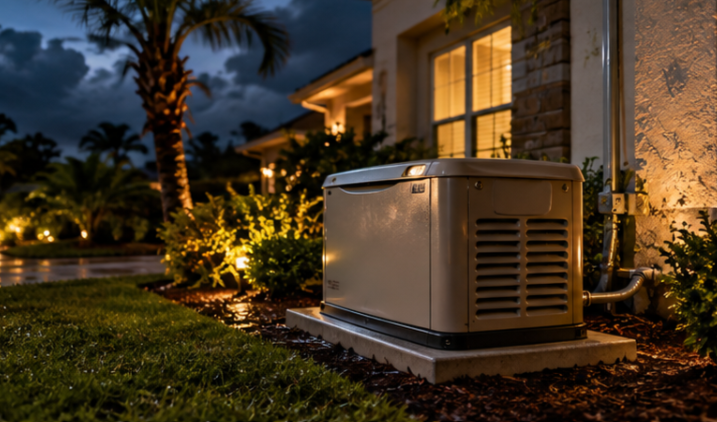
For homeowners who regularly experience extended outages, a generator may address a different problem: keeping selected electrical loads operating when utility power is unavailable. A properly installed whole-house generator in Oviedo requires the appropriate transfer equipment and electrical configuration so utility power and generator power cannot be connected incorrectly.
FAQs
Is it safe to keep resetting a breaker after a storm?
If a breaker trips once, resetting it may restore a circuit if the cause was temporary. If it trips repeatedly, however, continuing to reset it is not a solution. Repeated trips can indicate an overload, short circuit, equipment problem, or breaker issue that should be diagnosed.
How long should an electrical panel last?
There is no single lifespan that determines when every panel needs replacement. Age is one consideration, but condition, heat damage, corrosion, breaker condition, available capacity, and the electrical demands of the home are also important. An inspection can determine whether the existing panel remains appropriate.
Can whole-home surge protection prevent lightning damage?
No surge protection system can guarantee protection from a direct lightning strike. Whole-home surge protection is intended to reduce the effects of electrical surges entering through the electrical system, including surges associated with nearby lightning activity.
Can I open my electrical panel to check for storm damage?
It is not recommended. The interior of an electrical panel can contain energized components even when breakers are switched off. Homeowners can inspect the outside of the panel for obvious signs such as smoke, scorching, or unusual heat, but internal inspection should be left to a qualified electrician.
Does a standby generator require changes to my electrical panel?
Yes. A standby generator needs appropriate transfer equipment and electrical connections so generator power and utility power cannot be connected to the home at the same time. The existing panel and electrical system should be evaluated as part of the installation.
Why Choose R&A Industries for Electrical Work in Oviedo?
After several storm outages, an electrical panel should be evaluated based on its actual condition, not simply the number of times the power went out. Signs such as overheating, damaged breakers, repeated trips, or insufficient capacity can indicate that the system needs attention. In some cases, the right solution may be a repair or electrical panel upgrade rather than replacing the entire electrical system.
R&A Industries has served Oviedo and Central Florida since 2001. We are licensed in Florida for electrical work under EC13008418, provide 24/7 emergency service, and offer complimentary estimates with upfront pricing. If your home needs protection from storm-related surges, our whole-home surge protection service can provide an additional layer of protection for connected electrical equipment. For larger electrical projects, 0% financing is available to qualified customers with terms up to 10 years.
If your panel has become warm, noisy, discolored, or prone to repeated breaker trips after recent storms, having it inspected can help identify the cause before the next outage creates a larger problem. If you notice a burning smell, smoke, scorching, or other signs of active electrical trouble, contact an emergency electrician in Oviedo rather than attempting to investigate the panel yourself. Call (407) 384-0034 to schedule electrical service.