Skip to content




Hot Water Troubles? Here’s Your Oviedo Water Heater Guide
Cool mornings + Florida’s hard water = the perfect combination for water-heater trouble. This quick guide shows homeowners exactly how to spot issues, what you can safely do first, and when to call a licensed plumbing company in Oviedo, Florida.
You’ll find quick diagnostic checklists and homeowner-safe steps. If you’re searching for water heater repair in Oviedo, FL, or exploring water heater installation near Oviedo, you’re in the right place.
The Big Four: Most Common Water Heater Problems in Oviedo
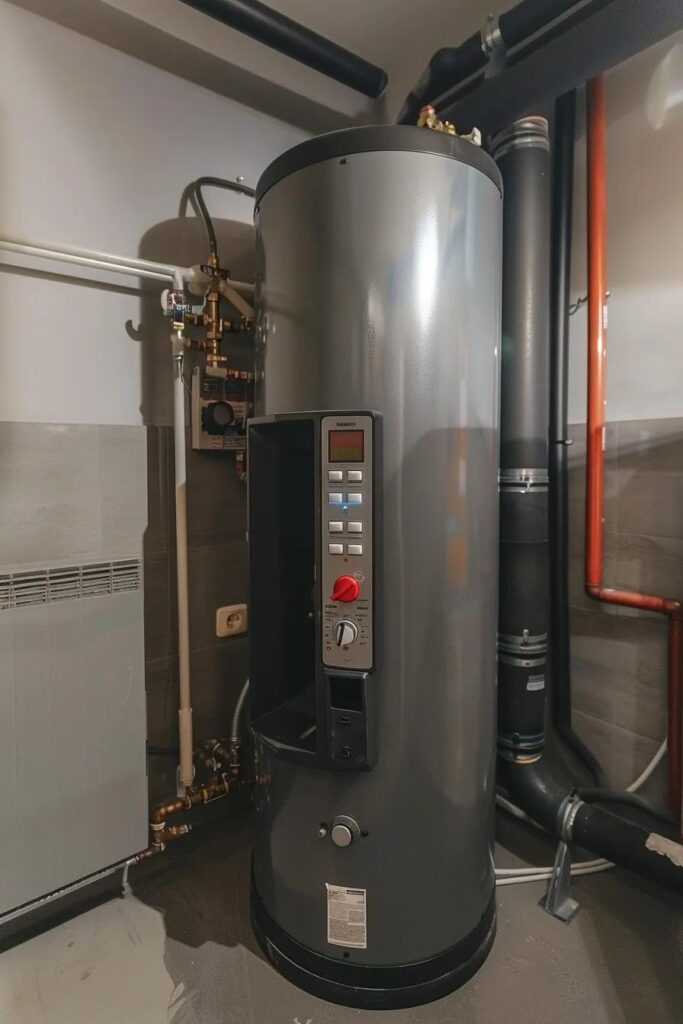
Most water heater problems in Oviedo fall into a few repeatable categories related to leaks, heating failures, sediment buildup, and safety valve issues. Each presents distinct symptoms homeowners can spot quickly. Understanding these categories helps prioritize inspections and short-term fixes before damage escalates.
| Issue | Common Symptoms | Typical DIY Fix / When to Call |
|---|---|---|
| Valve or fitting leak | Drips near top or from pipe connections | Tighten fittings; replace packing nut; call if leak persists |
| Drain valve leak | Slow drip from bottom spout | Tighten or replace valve; call if tank shows corrosion |
| Tank corrosion leak | Puddles under tank, rust flakes | No permanent DIY, arrange replacement |
| No hot water | Cold tap water or reduced flow of hot water | Check breaker/pilot; attempt safe resets; call if element/pilot fails |
| Loud rumbling/popping | Noise during heating cycles | Flush sediment; call for professional descaling if persistent |
This quick-reference comparison helps Oviedo homeowners self-diagnose common problems and determine the safest next step. The next section explains how to identify specific leak sources in more detail.
Spot the Leak Fast: Where the Water’s Really Coming From
A leaking water heater usually gives clear visual cues that indicate whether the leak is at a valve, fitting, or the tank itself. A systematic check narrows the source fast.
- Dry everything with rags/paper towels; place a dry tissue at suspected points.
- Cycle the heater (run hot water for 2–3 minutes) and watch for first moisture reappearance.
- Top leaks usually = supply/outlet connections, flex lines, nipples, or T&P discharge tube.
- Bottom leaks usually = drain valve seepage or tank shell corrosion.
- Look for rust tracks or white scale trails, they often point to the culprit.
Safety stop signs (call immediately):
- Gas smell at the appliance or near the floor.
- Hot water or rapid puddle growth (possible tank rupture).
- Visible tank rust blisters or weeping seams.
- Electrical scorching at access panels on electric units.
If the source is the tank shell, a permanent fix doesn’t exist, plan a water heater replacement in Oviedo, Florida.
What Causes No Hot Water from Your Water Heater?
Whether you have an electric, gas, or tankless water heater, a few simple checks can help you find the cause before calling a plumber.
For Electric Water Heaters:
Check the breaker first by switching it fully off and then back on. If that doesn’t help, turn off the power and press the high-limit reset button behind the upper access panel. You should hear a gentle sizzle as the elements heat the water. If it stays cold, the heating elements or thermostat may have failed, schedule a water heater repair in Oviedo, FL, to have them tested and replaced safely.
For Gas Water Heaters:
Make sure the gas valve is open (the handle should be parallel to the pipe). Check the pilot light, if it’s out, follow the instructions on the unit to relight it. A steady blue flame means all is well; a yellow or flickering flame can indicate a burner or vent problem. If the pilot won’t stay lit, the thermocouple or gas valve may be faulty and should be checked by a professional.
For Tankless Systems:
Look for any error codes on the display, confirm that water, gas, and power are all connected, and clean the inlet filter screen if needed. If your system is overdue for descaling, that could also be the cause.
These quick checks can solve simple issues, but if your water heater still won’t heat properly, calling a licensed plumber ensures a safe and lasting fix.
Why Is My Water Heater Making Strange Noises?
Unusual noises like rumbling, popping, or clanking usually indicate sediment buildup, thermal expansion stresses, or loose fittings. Each noise type points to different corrective actions.
- Mineral sediment accumulation near the heater element can trap water.
- Trapped water may flash to steam, causing popping or rumbling sounds. These noises reduce efficiency and accelerate wear on the heater.
- Expansion tanks that lose their air charge can lead to banging or hammering sounds. Loose pipe straps can amplify these sounds when thermal expansion happens.
Flushing the tank and checking the expansion tank pressure often resolves noises. Still, persistent loud sounds or sudden new noises may need a professional water heater inspection in Oviedo to prevent failure.
Say Goodbye to Lukewarm Showers!
Insufficient hot water or lukewarm output often results from undersized tanks, thermostat missettings, failing heating elements, or heavy simultaneous demand. Diagnosing involves checking settings and usage patterns first.
- Verify the thermostat setpoint and household hot-water usage.
- If the settings are correct but the hot-water capacity is low, there may be an element or burner efficiency issue developing.
- Sediment buildup can reduce the effective tank volume.
- Sediment can also insulate heating surfaces, leading to reduced output even during normal operation.
If these checks don’t resolve the issue, it’s best to have a professional inspect the water heater. Persistent lukewarm water often signals a deeper problem that requires expert diagnosis and repair.
How Can You Resolve No Hot Water Issues in Oviedo Water Heaters?

Restoring hot water in your Oviedo home starts with a few simple safety checks before moving to specific fixes based on your system type. Whether you’re dealing with a gas, electric, or hybrid water heater, the process begins with confirming that power or gas is reaching the unit and then addressing the most likely causes.
The following steps cover essential troubleshooting, from safely relighting a pilot light and recognizing faulty heating elements or thermostats to performing a proper reset on electric water heaters. These quick actions can often restore heating performance or help you determine when it’s time to call a professional plumber for reliable, lasting repair.
Relighting Your Pilot Light: A Safe Step-by-Step Guide
Relighting a pilot light doesn’t have to be complicated, but safety should always come first. Follow these steps carefully before attempting to restore the flame:
- Check for gas odors: If you smell gas or suspect a leak, do not try to relight the pilot, turn off the gas supply, leave the area, and call your gas provider or a professional immediately.
- Verify gas supply: Make sure the gas valve is open (handle parallel to the pipe) so fuel can reach the appliance.
- Follow manufacturer instructions: Use the control knob and pilot access panel to relight the flame exactly as shown on the heater’s label.
- Observe the flame: A steady blue flame means proper combustion, while yellow or flickering flames signal a burner or vent issue.
If the pilot light won’t stay lit or the flame appears irregular, turn off the unit and contact a licensed plumber in Oviedo. Persistent pilot problems often point to a faulty thermocouple or gas valve that needs professional attention.
Spotting the Warning Signs of a Failing Heating Element or Thermostat
When your water heater in Oviedo stops producing hot water even though power is on, a faulty heating element or thermostat is often to blame. Watch for these key indicators:
- No hot water despite power – shows an element may have burned out.
- Water temperature swings – sudden changes between hot and cold suggest thermostat failure.
- Repeated high-limit switch trips – a sign the system is overheating or short-cycling.
Before calling for service, check the breaker panel and press the reset button on the access panel once it’s safe to do so. If the issue continues, avoid DIY repairs; replacing elements requires draining the tank and safely disconnecting electrical components. Schedule a professional water heater repair in Oviedo, FL, to ensure correct parts, safe wiring, and long-term performance.
Safe Steps to Reset Your Water Heater
Resetting your water heater in Oviedo, FL, is a simple process, but it must be done carefully to avoid electrical hazards. Follow these steps to ensure a safe reset:
- Turn off the power at the circuit breaker to completely cut electricity to the unit.
- Remove the thermostat access panel and locate the high-limit reset button (usually red).
- Before pressing reset, check for moisture, corrosion, or burnt wiring; if any are present, stop and call a professional.
- Press and hold the reset button firmly, then restore power at the breaker.
If the reset button trips again soon after, it signals a deeper issue, such as a failing heating element or thermostat. Avoid repeated resets, schedule a professional water heater inspection in Oviedo to diagnose the problem safely and restore reliable operation.
Noisy Water Heater in Oviedo? Discover Easy Fixes Today!

If your Oviedo water heater has started rumbling, banging, or clanking, it’s trying to tell you something. Unusual noises often point to hidden issues like sediment buildup, expansion tank problems, or loose fittings, but each sound has its own story. Before you worry, the next sections break down what’s causing those noises and how to fix them safely and effectively.
Popping Noises? Blame Sediment in Your Water Heater
Over time, minerals and debris from Oviedo’s hard water can settle at the bottom of your water heater tank, creating a thick sediment layer that interferes with normal heating. Here’s what happens:
- Sediment traps heat at the bottom of the tank, forming hot spots where water flashes to steam. This creates the familiar rumbling or popping noise.
- The buildup reduces efficiency, forcing your water heater to work harder and use more energy.
- Overheating caused by sediment can shorten the lifespan of heating elements and other components.
Flushing the tank once a year usually removes most sediment and restores quiet, efficient operation. In areas with very hard water, more frequent maintenance or professional descaling may be needed. If noises persist after a flush, it’s time to have a skilled plumber in Oviedo inspect the tank and elements for hidden damage.
Noisy Water Heater? Check the Expansion Tank!
Your water heater’s expansion tank plays a crucial role in keeping your system quiet and stable. When water heats up, it expands, and without an expansion tank, that pressure has nowhere to go. Here’s what to know:
- Purpose: The expansion tank absorbs pressure from expanding hot water, preventing banging or “water hammer” noises in pipes.
- When It Fails: If the tank loses air pressure or the internal bladder ruptures, water pressure shocks transfer to your plumbing, causing loud thuds or vibration.
Simple Checks:
- Tap the tank, a healthy one sounds hollow, a failed one sounds full.
- Check air pressure using a tire gauge (match it to your home’s water pressure).
Fix: Recharging the air pressure or replacing a failed tank restores balance and quiet operation.
A properly working expansion tank not only keeps your home’s plumbing silent but also protects valves, joints, and fixtures from long-term stress.
Keep Your Water Heater Quiet: When to Flush It
Flushing your water heater regularly is one of the simplest ways to keep it quiet, efficient, and long-lasting. Here’s what plumbing experts in Oviedo recommend:
- Once a Year: An annual flush removes sediment buildup before it causes rumbling noises or efficiency loss.
- Twice a Year (Hard Water): If your home has hard water which is common in Florida, schedule a flush every six months to prevent heavy mineral buildup.
Flush Immediately If You Notice:
- Sediment or cloudy water at the drain
- Loud popping or rumbling during heating cycles
- Decreased hot water capacity
- Inconsistent temperatures
If DIY maintenance isn’t your thing, hire a licensed Oviedo HVAC and plumbing professional like R&A Industries to handle routine flushes and keep your system running quietly year-round.
No More Lukewarm Days, Keep Your Oviedo Water Heater in Top Shape with R&A Industries!

A healthy water heater means fewer cold showers, quieter mornings, and lower energy bills, all things every Oviedo homeowner loves. By staying proactive with regular maintenance, annual flushing, and professional inspections, you can extend your system’s life and avoid surprise breakdowns when you need hot water most.
Whether it’s a quick tune-up, leak repair, or a full water heater replacement, R&A Industries is the trusted local team that keeps Oviedo homes comfortable year-round. With over 20 years of plumbing and HVAC expertise, we make it easy to stay ahead of Florida’s humidity and hard water challenges.
Ready to restore comfort and efficiency?
Schedule your water heater service in Oviedo, FL today with R&A Industries, the local HVAC and plumbing contractor Oviedo homeowners count on for reliable, same-day service.