Skip to content



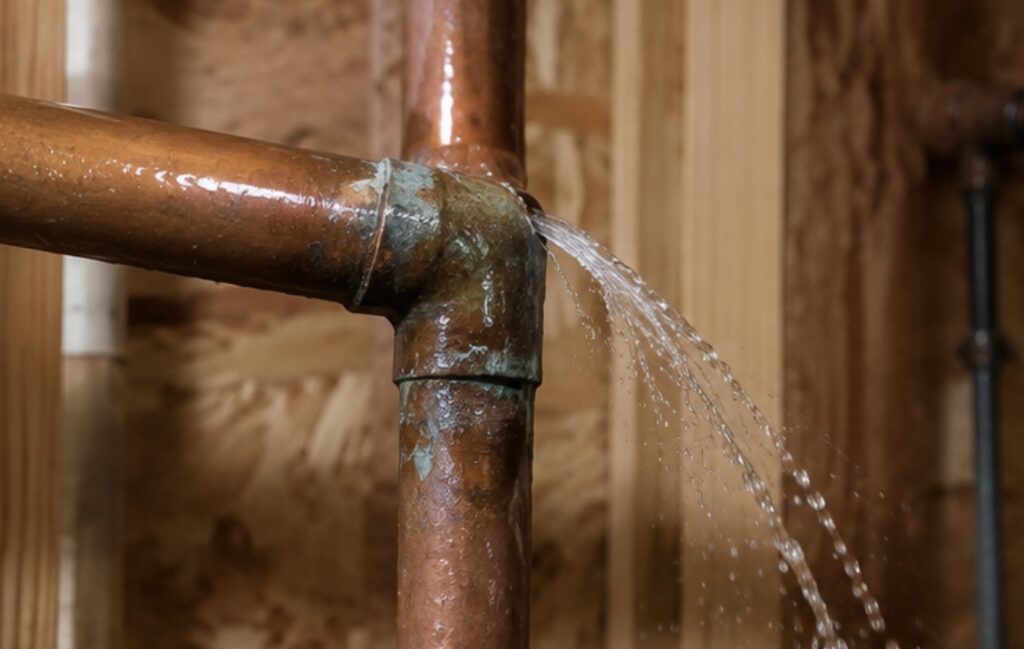
One plumbing leak is frustrating. A second or third leak in a different part of your Oviedo home is a different story. When leaks keep appearing at separate fixtures or pipe sections, the problem may no longer be one bad connection or damaged fitting. It can indicate that the plumbing system itself is aging and that another spot may fail soon.
That does not automatically mean you need a whole-home repipe. A newer plumbing system with one isolated failure may only need a straightforward repair. The important question is whether the leaks are isolated incidents or evidence of deteriorating pipe material throughout the home.
This guide explains how recurring leaks can point toward repiping, which pipe materials deserve closer attention, what warning signs to look for, and how a plumber determines whether repair or repiping makes more sense for an Oviedo home.
What Recurring Leaks Can Tell You About Your Plumbing System
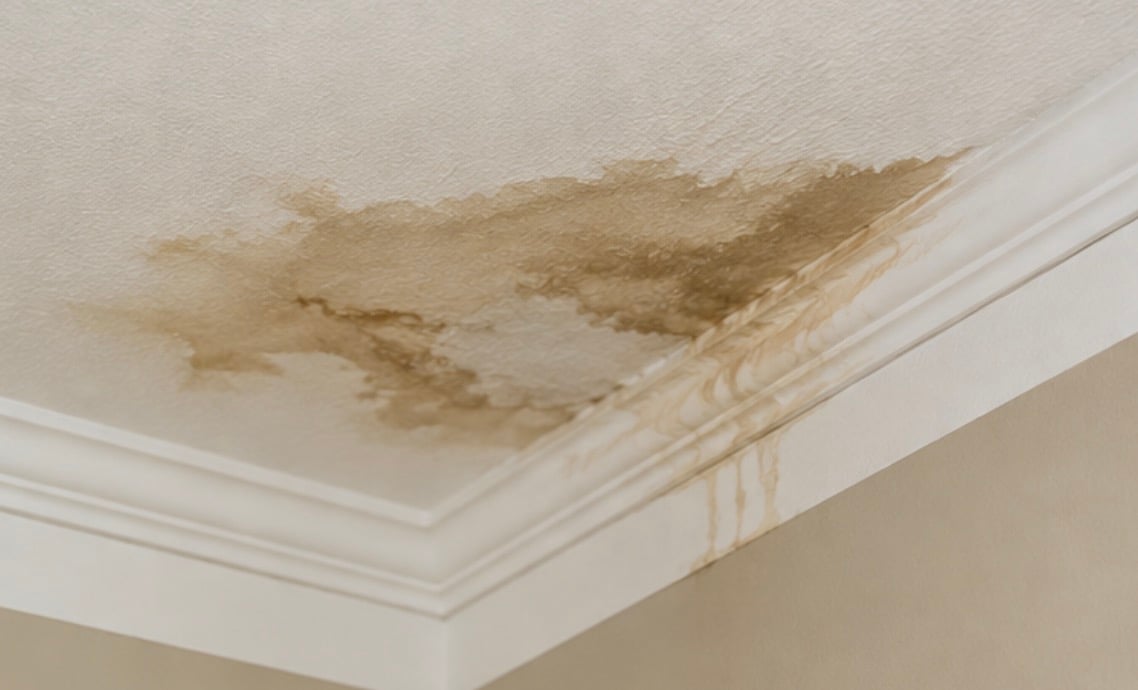
The location and frequency of your leaks provide useful clues. If a fitting under one sink fails after years of service, that does not necessarily indicate a system-wide problem. But if leaks begin appearing behind walls, near multiple fixtures, or in different sections of the home within a relatively short period, the pattern deserves a closer inspection.
Think of your plumbing system as a network rather than a collection of independent pipes. The same age, water conditions, installation methods, and pipe material affect large portions of that network. When several sections begin developing problems, repairing each visible leak individually may not address what is causing the failures.
One Leak vs. A Pattern of Leaks
The difference becomes clearer when you look at the timeline:
| Situation | What it may indicate |
|---|---|
| One leak on an otherwise healthy system | Isolated repair may be sufficient |
| Two leaks several years apart | Further inspection may be worthwhile |
| Multiple leaks within 12–24 months | Possible deterioration across the system |
| Leaks in different areas of the home | Pipe material or age may be contributing |
| Recurring leaks after previous repairs | Temporary repairs may no longer be the best strategy |
| Leaks combined with low pressure or rusty water | Broader plumbing deterioration deserves evaluation |
The goal is not to count leaks and automatically order a repipe. Instead, the pattern helps a plumber determine whether there is a common reason behind the failures.
Which Older Pipe Materials Are More Likely to Cause Problems?
The type of pipe installed in your home can significantly affect how it ages. Oviedo homes span many construction eras, so plumbers may encounter different materials depending on when the property was built and whether portions of the plumbing have already been replaced.
Polybutylene Pipes
Polybutylene was widely used in residential plumbing in the United States from approximately the late 1970s through the mid-1990s. The material can deteriorate over time as it reacts with chlorine and other conditions in treated water, potentially leading to unexpected failures.
If an older Oviedo home still has polybutylene plumbing and has begun experiencing recurring leaks, a plumber should identify the material and evaluate its condition throughout the home. Replacing the affected plumbing may provide a more dependable long-term solution than repeatedly repairing individual failures.
Galvanized Steel Pipes
Galvanized steel plumbing can last for decades, but corrosion develops internally as the pipes age. Rust and mineral buildup gradually reduce the inside diameter, which can contribute to declining water pressure and eventually create weak points where leaks develop.
If a home has decades-old galvanized piping alongside recurring leaks and poor water pressure, the issue may extend beyond the section currently leaking. An inspection can determine whether targeted replacement is practical or whether repiping deserves consideration.
Copper and Other Materials
Copper generally has a long service life, but it is not immune to pinhole leaks or corrosion. Water chemistry, installation conditions, and the surrounding environment can influence how copper performs over time.
The important point is that pipe material alone does not determine whether your home needs repiping. A plumber should consider the material together with its age, condition, leak history, water pressure, and the location of previous failures.
Warning Signs That Your Plumbing Problem May Be System-Wide
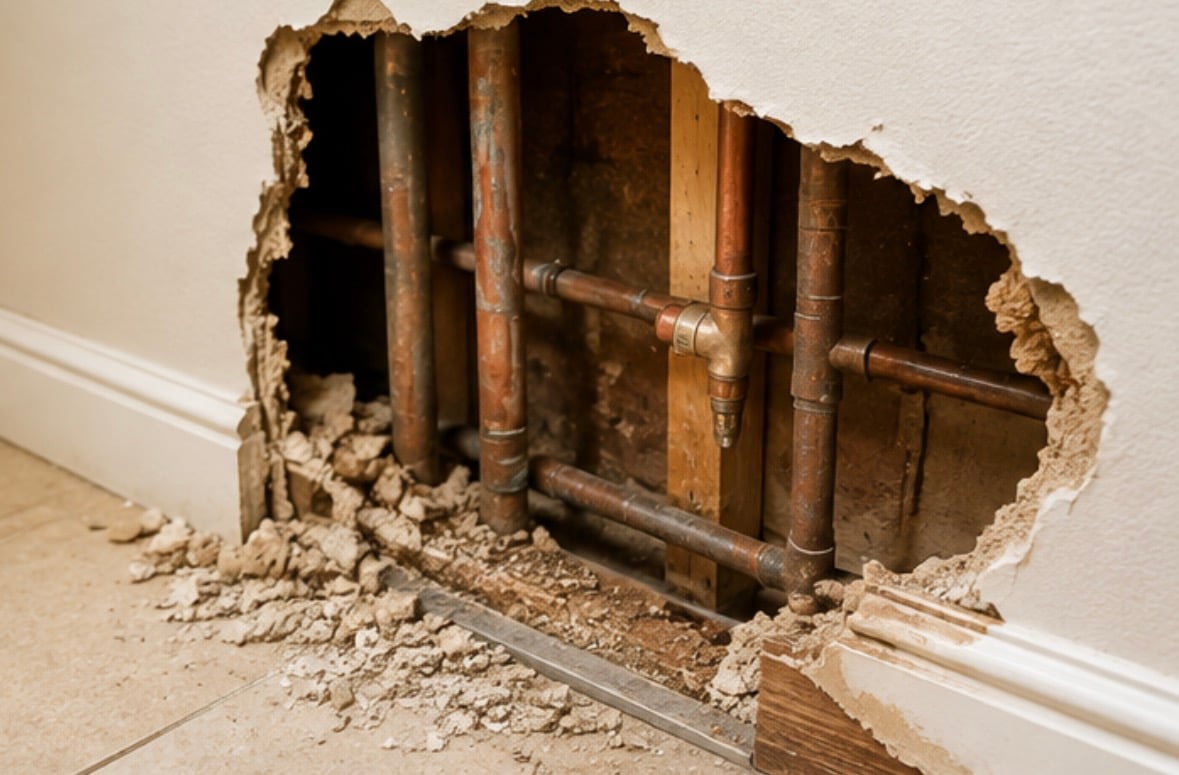
Recurring leaks become more concerning when they appear alongside other signs of aging plumbing. Low water pressure, rusty or discolored water, visible corrosion, water stains, and frequent repairs can indicate that deterioration extends beyond the latest leak. When several of these symptoms occur together, a whole-system plumbing evaluation can reveal whether repiping is more practical than continued spot repairs.
Watch for These Patterns
- Multiple leak locations: Problems keep appearing under different fixtures or in separate areas.
- Rusty or discolored water: Water develops a brown, orange, or metallic appearance, particularly after sitting.
- Declining pressure: Faucets and showers deliver noticeably less water than they once did.
- Visible corrosion: Exposed pipes show rust, flaking, discoloration, or deterioration.
- Frequent repairs: Plumbing service calls are becoming more common instead of remaining occasional.
- Water stains: Walls, ceilings, cabinets, or flooring show signs of previous or active water intrusion.
- Aging pipe material: The home still contains older plumbing materials with known deterioration concerns.
One symptom does not prove that repiping is necessary. Several appearing together, however, make a system-wide plumbing evaluation much more valuable.
Why Another Spot Repair May Not Be the Best Long-Term Answer
A spot repair can be exactly the right solution when the rest of the plumbing system is in good condition. If a fitting fails or a localized section of pipe is damaged, replacing that section can restore the system without the expense and disruption of a whole-home project.
The concern arises when repairs become a cycle. Imagine repairing one leak under the kitchen sink, then finding another behind a bathroom wall six months later, followed by a third failure near the water heater. Each repair may solve the immediate problem, but none necessarily addresses why failures keep occurring.
When Repeated Repairs Become a Pattern
Consider the bigger picture before approving another repair:
- Repair frequency: How many plumbing leaks have occurred recently?
- Location: Are failures happening in unrelated areas?
- Pipe material: Is the same aging material installed throughout the home?
- Water pressure: Has pressure changed noticeably?
- Previous work: Have multiple sections already been replaced?
- Future risk: Does the plumber expect other sections to have similar deterioration?
If the evidence points toward widespread pipe deterioration, continuing with isolated repairs may simply move the problem from one location to another. That is when a repiping discussion becomes reasonable.
Repair or Repipe? How to Make the Decision
The decision should come from the condition of the plumbing system, not from the number on a single repair estimate. A home with one leaking pipe and otherwise healthy plumbing is very different from an older home that has experienced several leaks in different locations within a short period.
A qualified plumber should explain what they found and why they believe the problem is isolated or widespread. If the evidence supports a repair, fixing the affected section may be the most practical choice. If multiple indicators point toward deteriorating pipes, repiping may offer better long-term reliability.
| Repair may make sense when… | Repiping deserves consideration when… |
|---|---|
| One isolated leak has developed | Leaks are occurring in multiple locations |
| Plumbing material is generally in good condition | Large portions of the system are deteriorating |
| Water pressure remains normal | Corrosion or buildup is restricting flow |
| No history of repeated failures | Repairs have become increasingly frequent |
| The affected section can be replaced effectively | Replacing individual sections is becoming a recurring expense |
| The remaining system is relatively modern | The home still has problematic or aging pipe material |
This is why a professional plumbing evaluation matters. You are not simply deciding whether to fix today’s leak. You are determining whether the plumbing system is likely to remain dependable after that repair.
What a Professional Repiping Evaluation Should Check
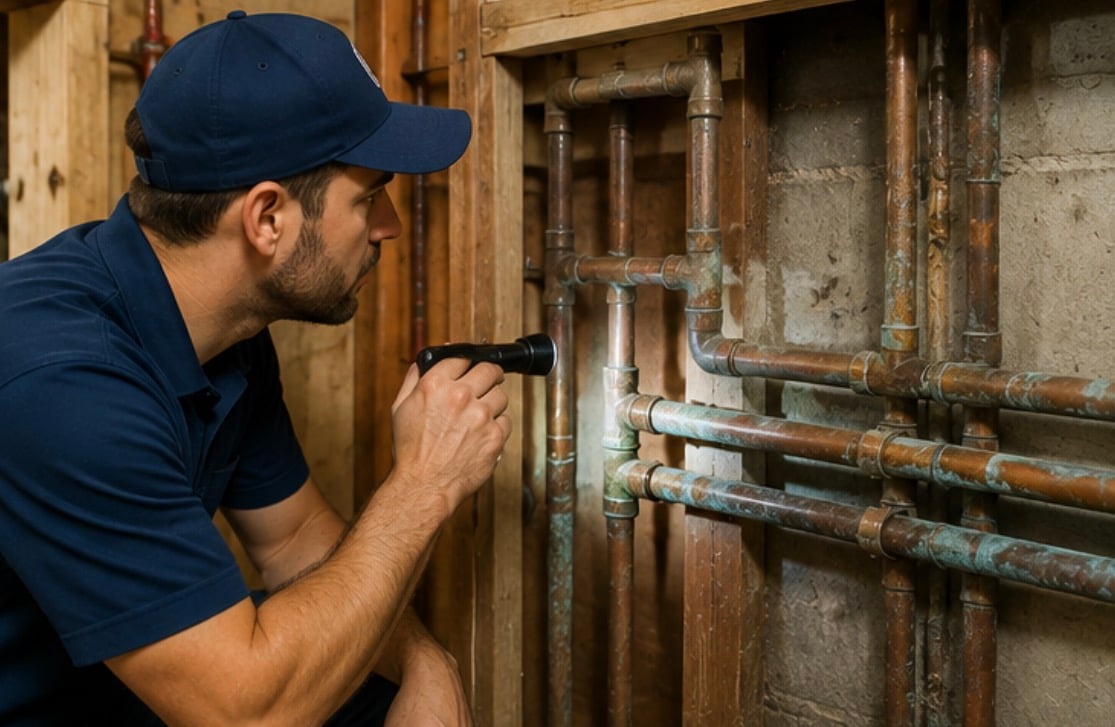
A proper evaluation should go beyond the location where water is currently appearing. The plumber should establish what type of piping is installed, where previous repairs have occurred, and whether there are signs that deterioration extends beyond the immediate leak.
The inspection may include accessible piping, water pressure, visible corrosion, previous leak locations, and the condition of connections and exposed pipe sections. In some situations, additional investigation may be necessary to determine whether concealed sections have similar problems.
Questions Worth Asking Your Plumber
Before deciding on a whole-home repipe, ask:
- What pipe material is installed throughout my home?
- Are the recent leaks connected by a common cause?
- How many sections show signs of deterioration?
- Is water pressure affected by the condition of the pipes?
- Can the current leak be repaired reliably?
- How likely are additional failures?
- What would a full repipe change compared with another spot repair?
- Which areas of the home would require access during the project?
Clear answers to these questions make the decision much easier. A good plumber should be able to explain the condition of your plumbing in practical terms instead of simply recommending the most expensive option.
What Happens If Your Oviedo Home Does Need Repiping?
If the inspection shows that the plumbing system is deteriorating throughout the home, repiping replaces old sections or the home’s supply piping with modern plumbing materials. The exact scope depends on the existing layout, pipe material, accessibility, and the condition of the system.
Repiping is a larger project than fixing one leak, so homeowners should understand the work before approving it. The plumber should explain where access will be needed, which pipes will be replaced, what materials will be used, how water service will be interrupted, and how affected areas will be restored.
For homeowners dealing with repeated leaks, professional drain pipe repair and repiping in Oviedo can provide a long-term solution when individual repairs are no longer addressing the underlying plumbing condition.
What Should You Do When Another Leak Appears?
If another leak develops after you have already repaired one or two elsewhere, do not treat it as just another isolated plumbing call. The new leak is useful evidence about the condition of the entire system. Note where it occurred, how long ago the previous leaks happened, and whether the affected pipes are made from the same material. That history helps determine whether you are dealing with unrelated failures or a broader deterioration pattern.
If the leak is active, stop the immediate water damage first by shutting off the appropriate water supply and protecting nearby cabinets, flooring, or walls. For a concealed leak, rapidly spreading water, or a situation where you cannot identify the source, emergency plumbing service in Oviedo can address the immediate problem. Once the water is controlled, the more important question is whether repairing this section makes sense when other parts of the plumbing have already failed.
That is where a whole-system evaluation becomes valuable. A plumber can compare the current failure with your previous leak locations, inspect accessible piping, identify the pipe material, and look for corrosion or other signs of widespread deterioration. If several failures share the same underlying condition, continuing with one repair at a time may simply leave the next weak section waiting to fail.
Why Choose R&A Industries for Recurring Leaks in Oviedo?
When recurring leaks raise the possibility of repiping, you need a plumber who can distinguish between a pipe that needs replacing today and a plumbing system that needs a larger solution. R&A Industries has served Oviedo and surrounding communities since 2001, with licensed plumbers who evaluate the leak in the context of the home’s overall plumbing condition. The company holds Florida plumbing license CFC1433199.
The recommendation should follow the evidence. If your latest leak is isolated and the surrounding plumbing is in good condition, a targeted repair may be the smarter choice. If multiple leaks, aging pipe material, corrosion, or declining water pressure point to a system-wide problem, the team can explain whether drain pipe repair or repiping is the more appropriate long-term solution.
If your Oviedo home has reached the point where every plumbing repair makes you wonder where the next leak will appear, have the pattern evaluated rather than waiting for another failure. A professional water leak detection and repair assessment can help establish whether you need one more targeted repair or whether recurring leaks are telling you it is time to consider repiping.