


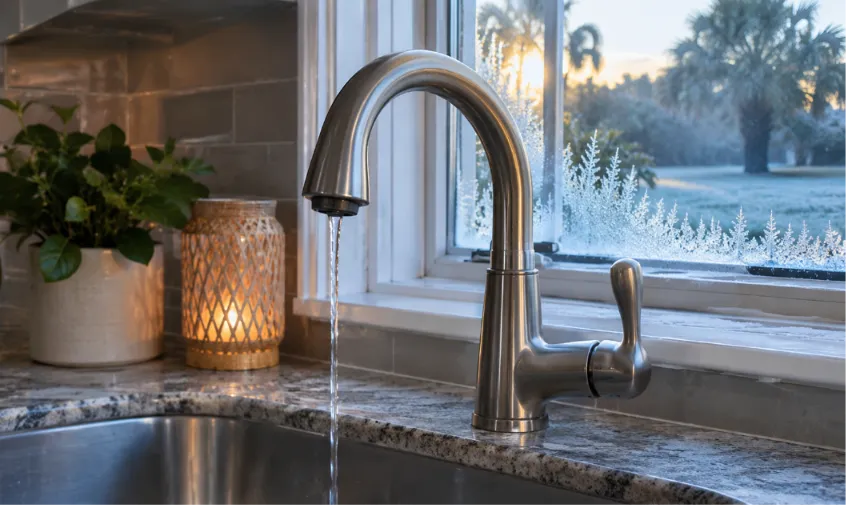
Should I drip my faucets for a Florida freeze? In most cases, yes. A slow drip keeps water moving through the pipes most likely to freeze, the ones in the attic and along outside walls. Outdoor plumbing needs a cover instead, because dripping cannot reach it.
Oviedo rarely drops below freezing, so a cold night is easy to underestimate. When it stays below 32°F for a few hours, exposed lines can crack. Our plumbers at R&A Industries in Oviedo put together the steps below, from which faucets to drip to what else to cover.
How Cold It Gets Before Pipes Freeze
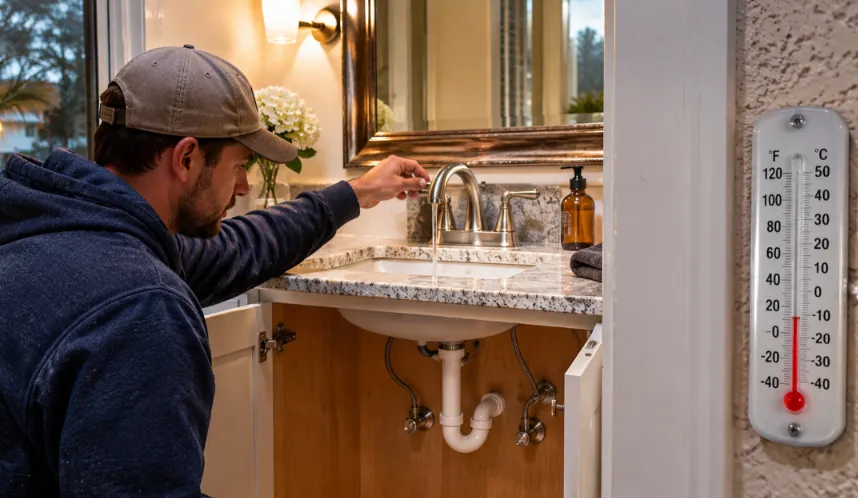
Water freezes at 32°F, but a short dip rarely freezes indoor pipes. What matters is how long the cold lasts. The National Weather Service in Melbourne calls two or more hours at 28°F to 32°F a freeze. Two or more hours at 24°F to 27°F is a hard freeze.
Central Florida does not reach those numbers often, but it does happen. On January 29, 2026, the Melbourne office issued a freeze watch for every county in east-central Florida. It warned that temperatures could fall as low as 20 degrees. Unprotected plumbing fails on nights like that.
Why Florida Pipes Freeze More Easily
In colder states, pipes run through heated basements and insulated walls. Outdoor lines are drained before winter. Florida homes are planned around heat, so plumbing goes where it is easiest to run, not where it stays warm.
Most Oviedo homes sit on slab foundations, so supply lines often run up through the attic instead of under the floor. On a freezing night, an attic can get nearly as cold as outdoors. Those pipes have little insulation.
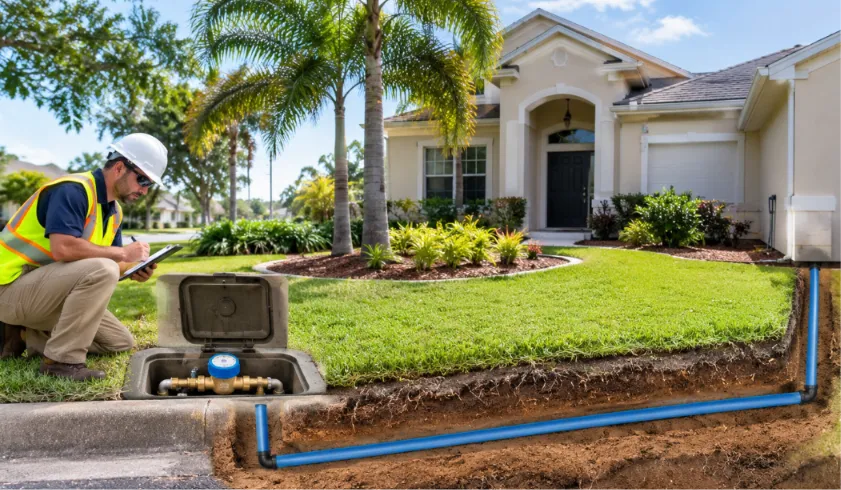
Outdoor plumbing has even less protection. Hose bibs, irrigation lines and backflow preventers sit above ground in the open. One hard freeze can crack a spigot or a backflow preventer, and the leak often goes unnoticed until the bill arrives.
Five Pipes That Freeze First
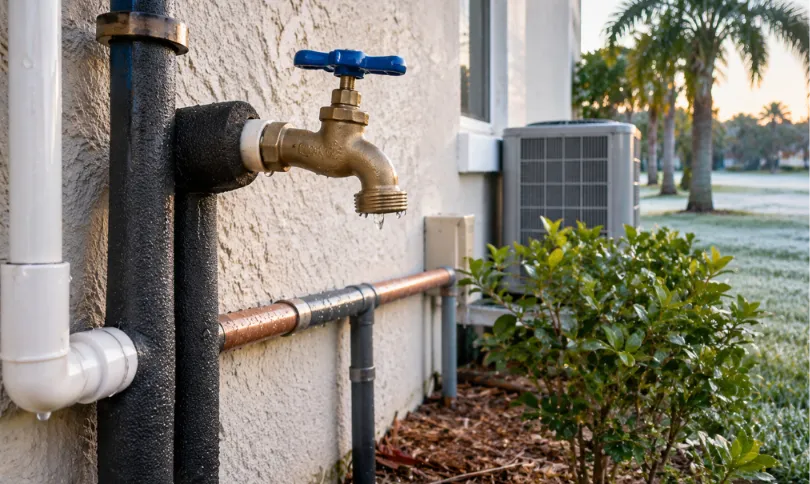
Not every pipe needs attention on a freeze night. These five fail first in Central Florida homes, from the most common to the most often forgotten. Each needs a slightly different kind of protection.
Attic Supply Lines
Pipes in the attic are the biggest risk in slab-built Oviedo homes. They feed bathrooms and kitchens from above, so a split there can flood a ceiling. Drip the faucets they feed, hot and cold, to keep water moving.
Pipes Along Exterior Walls
Kitchen and bathroom sinks on outside walls have supply lines tucked into the cold side of the house. Open the cabinet doors under them so warm indoor air reaches the pipes, and let those faucets drip until it is above freezing again.
Outdoor Spigots and Hose Bibs
Hose bibs are the most exposed pipes on the property. Disconnect garden hoses, since water trapped in a hose can freeze back into the spigot. Wrap each bib with an insulated cover, or towels and plastic, tied so wind cannot pull it loose.
Irrigation Backflow Preventers
These devices sit above ground with brass and plastic parts that crack easily in a hard freeze. Turn off the irrigation system, then wrap the device in insulation. A cracked one can leak for weeks before anyone notices, especially while the sprinklers stay off.
Water Heater Lines in the Garage
Many Florida homes keep the water heater in an unheated garage, with bare copper pipe above the tank. Keep the garage door closed overnight, and wrap any exposed pipe with foam pipe insulation from a hardware store before the cold arrives.
Dripping protects the pipes inside the house, while covering protects the ones outside. Most Central Florida homes need both on a freeze night.
Does Dripping Your Faucets Waste Water?
It does use some water, and in Florida, where saving water matters, that is a fair question. A drip from a few faucets for a night or two costs very little. A split pipe running for hours wastes far more.
Dripping only helps the pipes that feed the faucet you open. It does nothing for a hose bib, a backflow preventer or an irrigation line. Many freeze leaks here happen outdoors, on pipes nobody covered.
So drip with purpose. Choose the faucets fed by attic and exterior-wall pipes and keep the drip small. Turn it off once it is above freezing. Then spend your effort covering what dripping cannot reach.
How to Prepare Based on the Forecast
The right steps depend on how cold the night gets and for how long. Use these general steps for Central Florida homes, and follow any official warnings for your area.
| Forecast low | What to do |
|---|---|
| 33°F to 36°F | Disconnect hoses and cover hose bibs and the backflow preventer |
| 32°F or a freeze warning | Add a slow drip from faucets on exterior walls and open sink cabinets |
| 27°F or colder for two hours or more | Drip hot and cold on attic-fed faucets, keep the heat on and know where the main shutoff is |
Orange County’s freeze guidance calls for a small, steady drip from several indoor faucets. On the coldest nights, a thin, steady stream works better for faucets fed by attic pipes, since a slow drip may not keep up.
Before-Bed Checklist for a Freeze Night
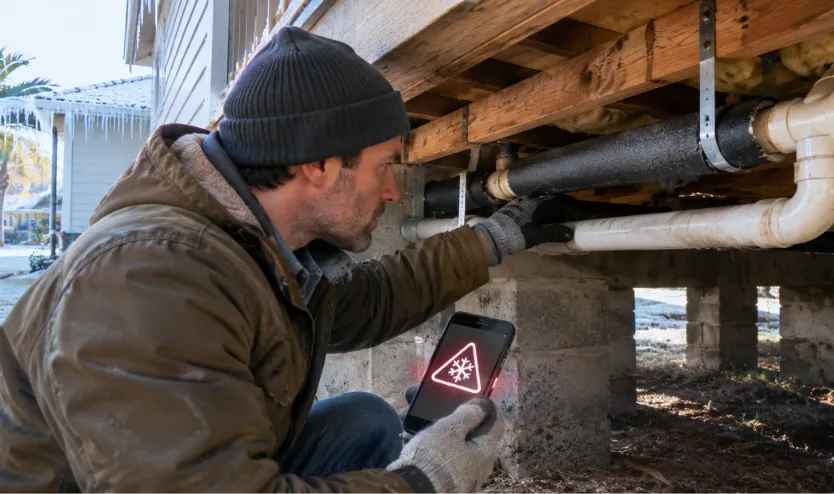
Dripping is only one step. A short checklist the evening before a freeze covers the parts dripping cannot reach. It also makes the morning easier if something goes wrong.
- Remove every garden hose and drain it.
- Wrap hose bibs and the backflow preventer with insulation.
- Turn the irrigation system off.
- Leave sink cabinets on exterior walls open overnight.
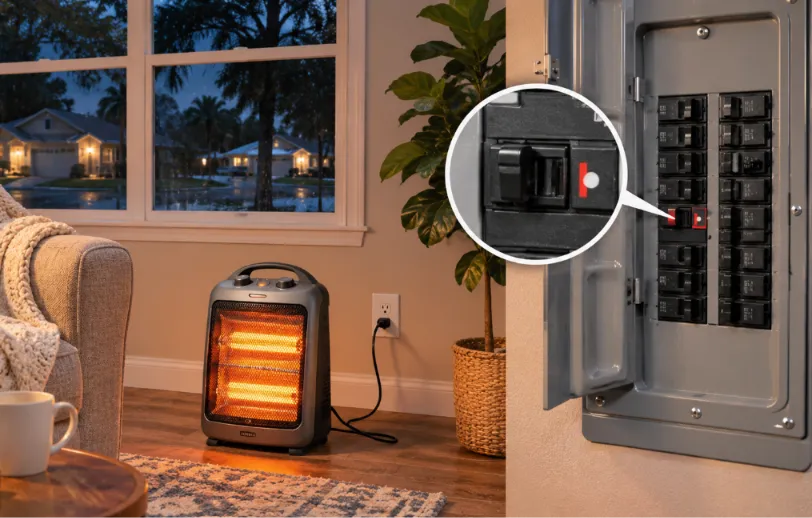
- Hold a steady indoor temperature all night.
- Find the main shutoff and make sure it turns.
What Should You Do If a Pipe Freezes or Bursts?
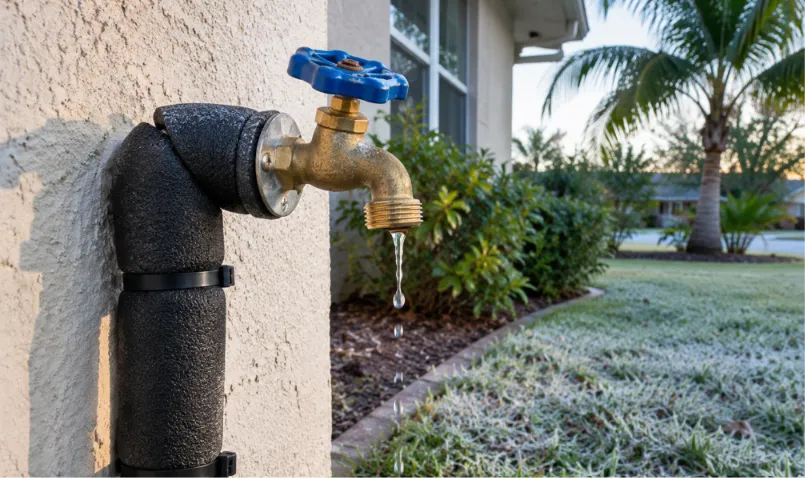
If a faucet barely trickles on a freezing morning, the pipe feeding it may be frozen. Leave the faucet open and warm the pipe slowly with a hair dryer or warm towels. Never use an open flame, which can damage the pipe or start a fire in the attic.
If a pipe has burst, act fast. Water from a split attic pipe can soak insulation and drywall in minutes. Take these steps first, then call for emergency plumbing help.
- Close the main shutoff valve to stop the water.
- Switch off power to any room where water is near outlets or fixtures.
- Open the lowest faucets to let the lines empty.
After the freeze, look for hidden damage in the attic and around outdoor plumbing. A leak detection visit can find water inside walls and ceilings before stains show. Cracked lines then get fixed before the next cold front.
Frozen Pipe Repair and Plumbing From R&A Industries
A freeze night can crack attic lines, hose bibs, irrigation devices and garage water heater pipes. We repair frozen and split pipes, replace cracked hose bibs and find hidden leaks. Repiping and water heater repair are part of our plumbing services too.
Since 2001, one family has owned and run R&A Industries. Our plumbers work under Florida license CFC1433199, and we carry a 4.9 stars rating on Google. Our service areas page lists every town we reach.
Every home visit starts at a flat $120, which takes care of the trip and the first half hour of labor. Wisetack can spread the cost of a bigger repair, with terms based on your credit.
Book a check before the next freeze, or call the moment a pipe bursts. Late at night or on a weekend, the main line forwards to our answering service.
[Call (407) 384-0034]
Frequently Asked Questions
Should I drip hot or cold water?
Drip both on faucets fed by attic pipes, because the hot and cold lines run separately and either can freeze. On a single-handle faucet, set the lever to the middle so both lines move. A small, steady drip is enough on most nights.
Do foam covers or heat tape help protect pipes in Florida?
Foam pipe sleeves slow the cold on exposed attic, garage and outdoor pipes, and they cost little. Heat tape can help outdoors, but use only a listed product and follow its instructions. For a few cold nights a year, sleeves and covers usually do the job.
What should I do if I am away from home during a freeze?
Leave the heat on and set it no lower than 55°F, as the American Red Cross advises. Cover outdoor plumbing and open sink cabinets on outside walls before you go. If you will be gone for several days, shutting off the main and draining the lines is the safest choice.
Why did my pipes freeze when my neighbor’s did not?
Placement makes the difference. Pipes in an attic, an outside wall or an unheated garage freeze first. A gap in insulation or a draft from a vent can also chill one spot. Two houses on the same street can have very different plumbing routes.
Does homeowners insurance cover a pipe that bursts in a freeze?
Many policies cover sudden water damage from a burst pipe, but some limit claims if the home was left without heat. The pipe repair itself may be covered differently than the damaged ceiling or floor. Read your policy, call your agent and take photos before cleanup starts.