Skip to content




In Oviedo, your heating system can sit untouched for most of the year while your air conditioner handles the long Florida cooling season. Then temperatures drop, the thermostat switches to heat, and a component that has not operated for months is suddenly expected to start, ignite, circulate warm air, and shut down safely. That first heating cycle can expose problems you never noticed during summer.
Fall maintenance gives you an opportunity to check the heating side before you actually need it. A technician can evaluate the furnace or heat pump, electrical connections, airflow, controls, and other heating components while there is still time to address problems without waiting for a cold night. Understanding what should be checked can help you decide whether maintenance is worthwhile for your Oviedo home.
Why Do Florida Heating Systems Fail More Often Than Their Runtime Suggests?
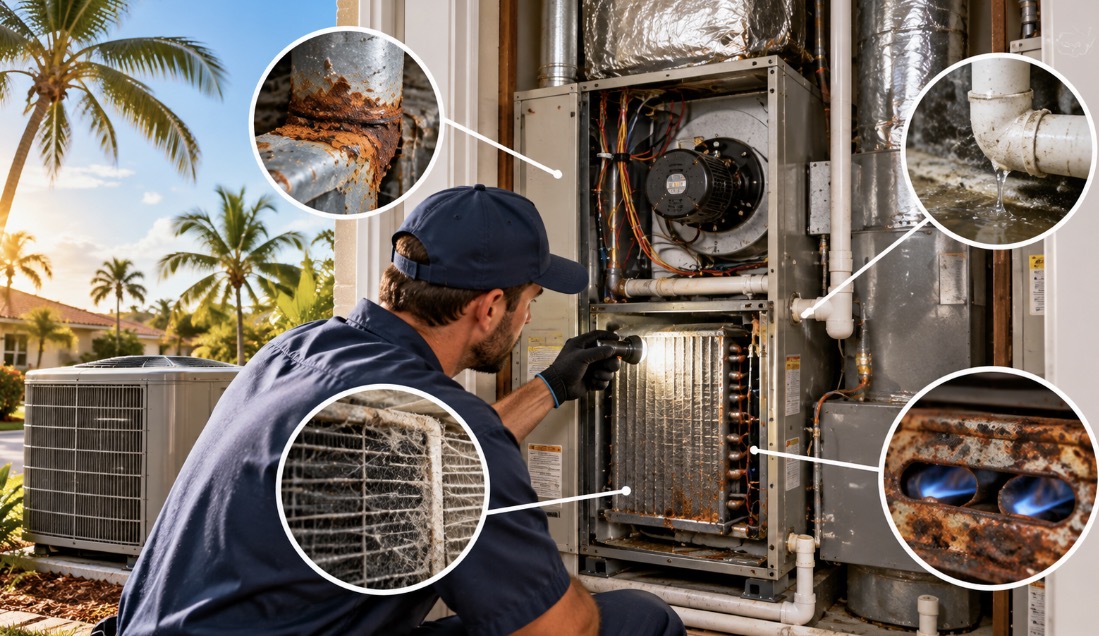
A Florida heating system can have relatively few operating hours and still develop problems before the next heating season. That is because not every heating component wears out from constant use. Some issues develop while equipment sits idle, while others become apparent only when the system is asked to switch from months of cooling to heating.
Several conditions can leave the heating side vulnerable after a long period without operation:
- Dust accumulation: Dust can settle around heating components and affect operation when the system starts again.
- Idle electrical components: Relays, contactors, and other controls may sit unused for months before they are needed.
- Loose connections: Repeated temperature changes during cooling season can affect electrical connections over time.
- Restricted airflow: Filters and blower components may develop issues that become more noticeable when heating starts.
- Unnoticed control problems: Thermostat or system controls may not reveal a fault until the heating sequence is activated.
This is why a heating problem can appear suddenly even when the system seemed perfectly fine through summer. The issue may not have developed overnight; it simply was not tested during months when the heating components were sitting idle. Fall maintenance gives a technician an opportunity to operate and evaluate those components before the first genuinely cool night puts them under demand.
Which Heating Setups Are Most Likely to Fail on the First Cold Night?
Central Florida homes use several quite different heating arrangements, and they do not fail in anything like the same way. Knowing which one you actually have makes the risk considerably easier to anticipate, and makes a fall check far more useful than a generic inspection.
The setups below cover most homes in the area. Each has a characteristic first point of failure, though only a load test confirms what is actually happening in your system.
| System Type | What Tends to Fail First |
|---|---|
| Heat pump with electric strip backup | The strip heat circuit, which has been idle since the previous winter. |
| Heat pump alone | The reversing valve, which only operates when heating is called for. |
| Electric furnace or air handler with strips | Sequencers and elements that carry a large current intermittently. |
| Gas furnace | Ignition components and flame sensing after a long dormant period. |
| Older system with no recent service | Connections loosened by months of thermal cycling on the cooling side. |
| Ductless mini split | Outdoor unit defrost and reversing components, rarely exercised here. |
The pattern worth noticing is that almost every entry involves a component the cooling season never touches. A system that has cooled flawlessly all summer has demonstrated nothing whatsoever about its heating side.
What Makes Electric Strip Heat a Different Risk From a Furnace?
Most Oviedo homes heat with electric resistance strips, either as a heat pump’s backup or as the primary source. That arrangement carries risks a gas furnace does not, and they are worth understanding before the first cold night.
Draws a Large Current Through a Rarely Used Circuit
Strip heat pulls substantially more current than the cooling side ever does, through a circuit that may not have carried load since the previous winter. Connections that have loosened will heat under that load.
Sits Idle for Most of the Calendar Year
Sequencers, contactors and limit switches spend the great majority of the year doing nothing at all. Components that sit still are more likely to stick than components in regular use.
Burns Off Dust That Has Settled All Summer
The first time strips energize, accumulated dust on the elements burns away. That produces a brief scorched smell which is usually harmless, though it is indistinguishable to a homeowner from something that is not.
Fails Quietly Without Stopping the Cooling Side
A failed strip or sequencer does not prevent the system from cooling. It can therefore go unnoticed for an entire year, until the night the house will not get warm.
That last point is the practical argument for testing heat in the fall rather than discovering the problem in January. Our heating services in Oviedo include putting the heating side under actual load rather than confirming it switches on.
What Should a Fall Heating Check Actually Include?
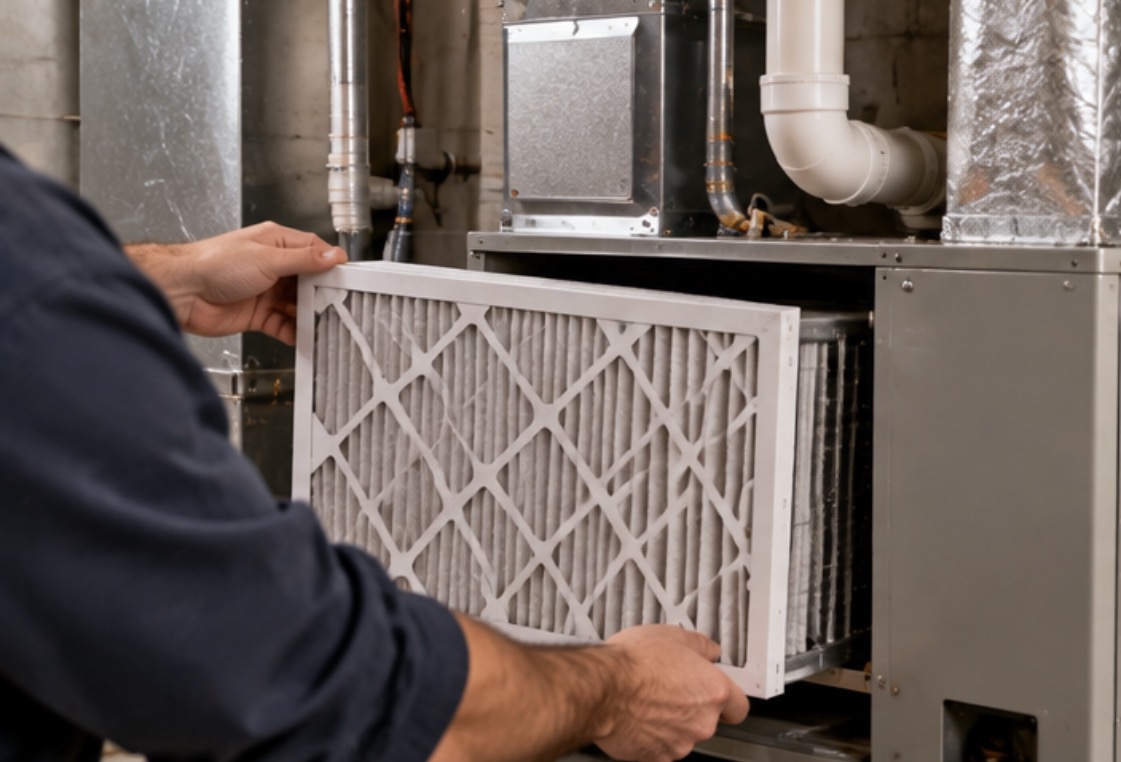
A heating check in this climate is largely about testing components that have not moved in the better part of a year. Visual inspection alone is not enough here, because almost all of the relevant failures only become apparent once current is actually flowing through the circuit.
The tests below are the ones that matter on a typical Central Florida system. A check that does not energize the heating side under load has not really tested it.
| What Gets Tested | Why It Matters |
|---|---|
| Strip heat elements under load | Confirms each stage actually energizes and draws its expected current. |
| Sequencers and contactors | These are the components most likely to stick after months of disuse. |
| Electrical connections at the air handler | Thermal cycling loosens terminals, and loose terminals heat under heavy load. |
| Reversing valve operation | On a heat pump, this only moves when heating is called for. |
| Thermostat configuration and staging | Confirms backup heat engages when it should rather than constantly. |
| Airflow across the heating elements | Restricted airflow over energized strips is a safety concern as well as a comfort one. |
A check that finds nothing is still worth having. Knowing the heating side was tested under load in October is considerably more reassuring than assuming it works because the cooling side does.
Air quality is worth raising at the same visit. A system that has moved humid air all summer often needs the filter and cabinet addressed before it starts recirculating warm air through the house, and indoor air quality services cover that side of the work.
What Happens When a Heat Pump Switches to Heating Mode?
Heat pumps are extremely common across Central Florida, and the switch into heating mode is where most of their faults first become visible. Understanding that sequence helps separate genuinely abnormal behavior from the several things that are simply supposed to happen.
Reverses the Refrigerant Flow Through the System
A valve redirects refrigerant so the system gathers heat from outdoor air instead of rejecting it. That valve is the single component most likely to stick after a long cooling season.
Delivers Air That Feels Cooler Than a Furnace Would
Heat pump supply air is warmer than the room but cooler than your hand, so it can feel wrong at the register while heating the house perfectly well. This is the most common false alarm we hear.
Brings In Backup Heat on the Coldest Mornings
When outdoor conditions leave the heat pump short, the thermostat calls for supplementary strip heat. Occasional use is expected, while constant use points at a configuration or charge problem.
Runs Occasional Defrost Cycles in Damp Conditions
In cool, damp weather the outdoor unit may briefly reverse to clear frost, producing visible vapor. That is normal operation rather than a fault, though it is frequently reported as one.
Knowing which of those is expected saves a service call, and knowing which is not saves a cold night. A fall check establishes where your system sits before the answer starts to matter. Where the reversing valve, refrigerant charge or thermostat is genuinely at fault, heat pump repair in Oviedo covers the diagnostic side.
Is It Worth Booking Heating Service in a Mild Climate?
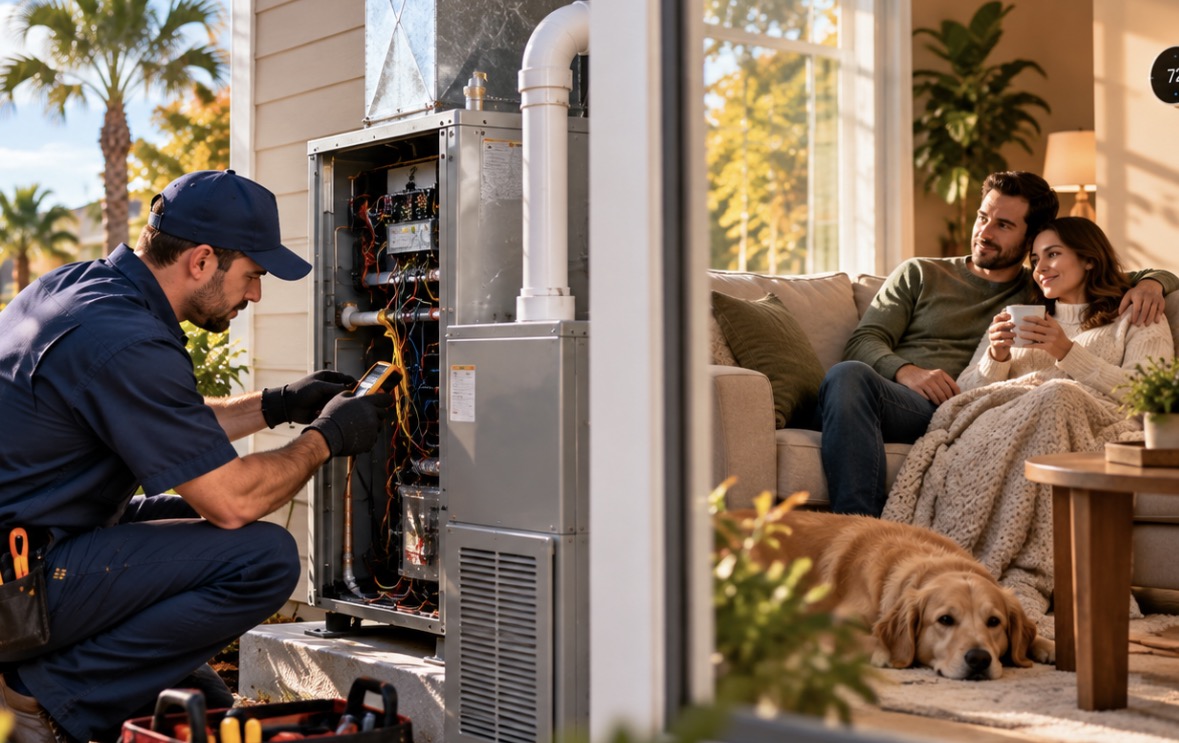
The honest answer depends entirely on what you are protecting against. If your heating runs a dozen nights a year, mechanical wear is genuinely minimal, and the argument for annual service on wear grounds alone is fairly weak.
The case rests on reliability instead. Components here fail from disuse rather than from use, and the failure lands on the coldest night of the year rather than on a convenient afternoon. Testing in October converts a likely emergency into a scheduled repair.
There is also efficiency at stake on any heat pump. Backup strip heat costs considerably more to run than the heat pump itself, so a system quietly leaning on its strips shows up on the power bill long before anyone connects it to a fault.
For a household already booking a cooling visit, adding the heating side costs very little in time. Both sides can usually be covered together, which is the practical reason two visits a year suits this climate better than one, and why our AC maintenance service is built around that pattern.
FAQS
Why Does My Heat Smell Like Burning the First Time?
That is usually dust burning off heating elements that have sat idle since last winter. It should fade within the first half hour and should not return on later cycles that week.
Is a Heat Pump Supposed to Blow Cool Air?
Often, yes. Supply air is warmer than the room but cooler than skin temperature, so it can feel cool at the register while the house is heating normally.
Why Is My Power Bill Higher in Winter Than Summer?
Electric strip heat is far less efficient than the heat pump or the cooling side. A system relying on strips more than it should will produce a winter bill that surprises people in a mild climate.
Can Heating and Cooling Be Checked in One Visit?
Usually yes, and in this climate that is the sensible approach. A fall visit can confirm the cooling season did no damage while testing the heating side before it is needed.
What If My Heat Fails on a Cold Night?
Emergency service is available 24/7, though availability across the county tightens sharply during a cold snap. That timing is precisely the argument for testing the system in advance.
Why Choose R&A Industries for Heating Service in Oviedo?
Heating in Central Florida is a reliability problem rather than a wear problem, which changes what a useful service visit looks like. Testing the heating side under actual load is the part that matters, and it is the part most often skipped.
R&A Industries has served Oviedo since 2001 and holds a 4.9-star rating across 712 reviews. We are licensed in Florida for HVAC under CAC1820213, offer 24/7 emergency service, and provide complimentary estimates with pricing given upfront. Our Gold Preventative Maintenance Plan runs $18 a month and covers two visits a year, which suits a climate needing both a cooling and a heating check.
If your heating has not been tested since last winter, this is the window to do it rather than during the first cold snap. Call (407) 384-0034 and ask for the heating side to be put under load, not simply switched on.