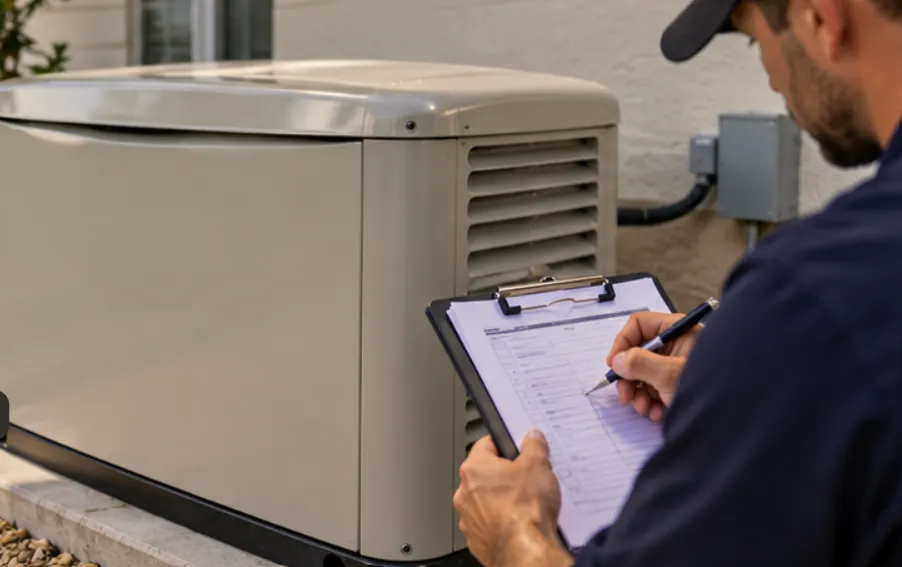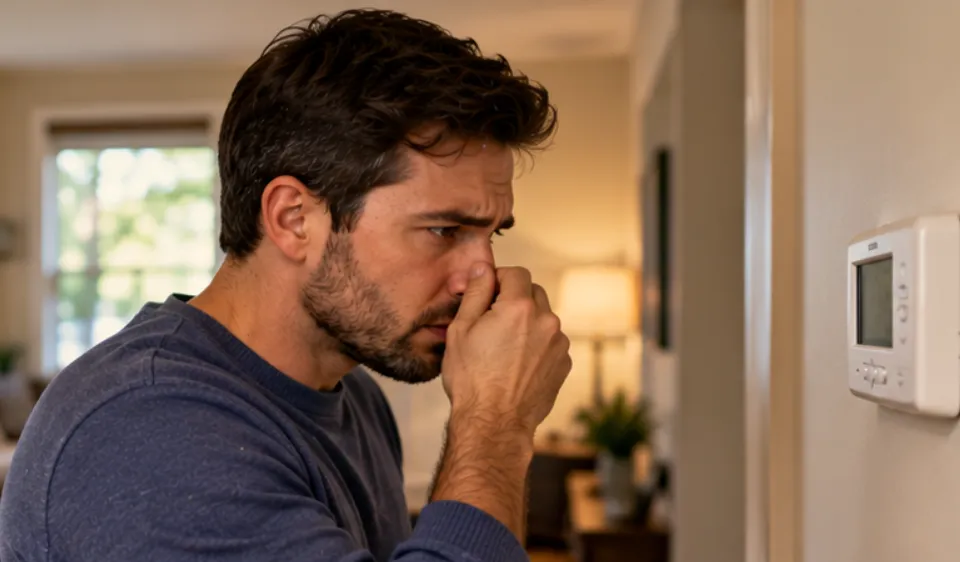



That musty smell is drifting from your vents. A puddle is forming under your air handler. A strange slime coating the inside of your drain pan.
Most Florida homeowners blame a dirty filter or a hot week. The real culprit is often Zoogloea, a bacterial biofilm that colonizes AC condensate systems and silently degrades your air quality, your cooling efficiency, and eventually your equipment.
Florida’s climate creates near-perfect conditions for it. High humidity, warm temperatures, and air conditioners running ten to twelve months a year mean the bacteria never fully dry out between cycles. Oviedo and Central Florida homes are among the most susceptible in the country.
Zoogloea Slime and Its Effects On Your Air Conditioning System
What is Zoogloea Biofilm and Why Is It Called AC Slime?
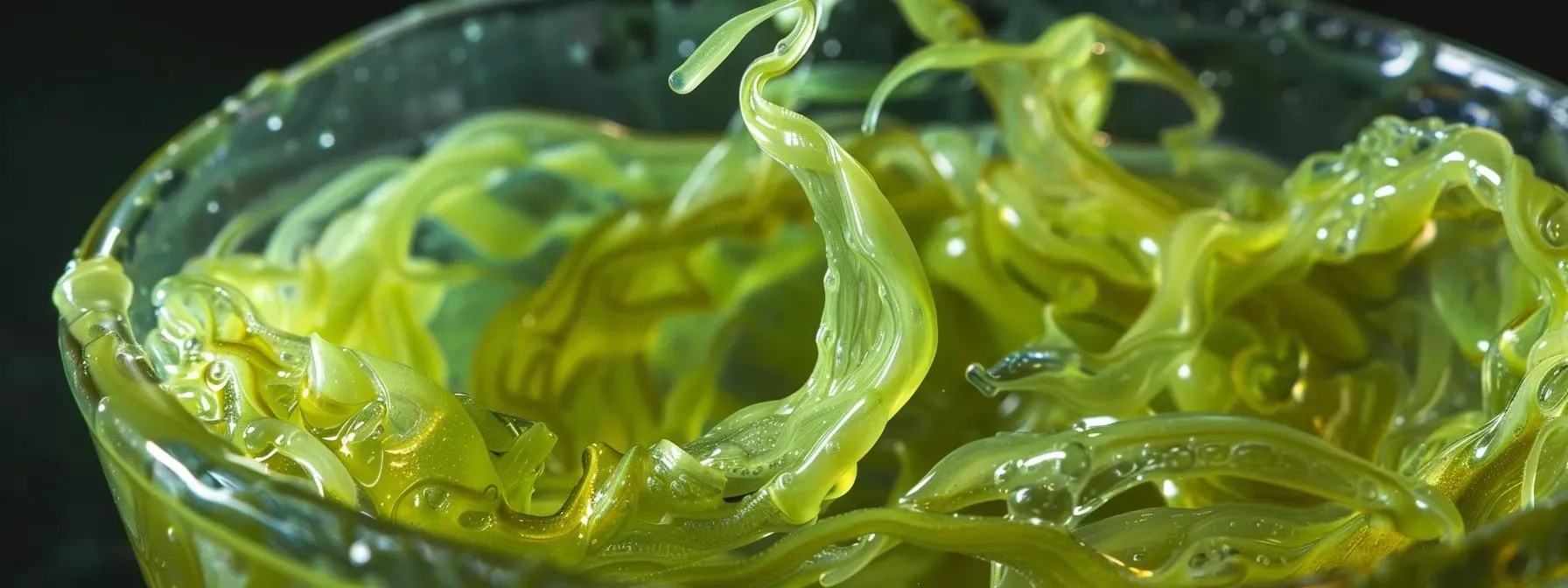
Zoogloea is a genus of gram-negative bacteria that produces a thick, gelatinous extracellular matrix, the visible “slime” as a byproduct of its metabolic activity. Inside your air conditioning system, this biofilm appears as a gray, white, or brownish gel that adheres to evaporator coils, condensate drain pans, and PVC drain lines.
The informal names AC slime, drain snot, and pipe gel all describe the same organism. What makes Zoogloea particularly persistent is its matrix structure: the polysaccharide coating protects the bacterial colony from simple flushing, allows it to trap organic debris for nutrients, and helps it bond firmly to wet surfaces.
Unlike mold, Zoogloea does not require light to grow. It thrives in the dark, damp interior of your air handler, exactly where most homeowners never look.
How Does Zoogloea Form in AC Drain Lines and Coils?
The condensate process creates ideal conditions. As warm, humid air passes over the evaporator coil, moisture condenses and drips into the drain pan below. That pan stays wet, sits at around 60 to 75 degrees Fahrenheit, and collects fine dust, pollen, and organic particles that pass through the return air filter.
Bacteria present in that air, including Zoogloea species, settle into the pan and begin to multiply. Within days, a thin film forms. Within weeks, it thickens into a gel. Within months, it can fully block the condensate drain line, causing water to back up and overflow.
In Central Florida’s climate, this cycle accelerates. Pollen from oak, pine, and cypress trees, all common throughout Oviedo and Orange County, provides a rich nutrient source inside the pan, and the near-constant system operation means the drain never fully dries between cycles.
What Problems Does Zoogloea Cause in HVAC Systems?
Zoogloea does not stay contained to the drain pan. Once established, it spreads and creates cascading problems across the system.
- Blocks condensate drain lines, causing water to back up and overflow into walls, ceilings, or subfloors
- Coats evaporator coils, reducing heat transfer efficiency and forcing the compressor to work harder
- Restricts airflow through the air handler, reducing the volume of conditioned air reaching your living space
- Creates musty, sour odors that circulate through every vent in the home
- Promotes secondary mold growth inside the air handler cabinet
- Triggers float switch shutdowns, which cut power to the system when water reaches unsafe levels
- Increases monthly energy consumption as the system compensates for lost efficiency
- Accelerates wear on the compressor and blower motor, shortening the system’s service life
A blocked condensate line is one of the most common causes of preventable AC water damage in Florida homes. Most homeowners do not discover it until water is already visible on the ceiling or the system shuts itself down.
Signs and Health Risks of Zoogloea in Your Air Conditioner
How Can You Identify Zoogloea Slime in Your AC Drain Line?
Zoogloea rarely announces itself clearly. The signs are easy to dismiss individually, but together they form a recognizable pattern.
Persistent musty odor from vents. The most common first sign. The smell is described as damp, stale, or faintly sewage-like. It is present whenever the system runs and tends to be worse in rooms closest to the air handler.
Standing water near the indoor unit. When the condensate drain is blocked, water overflows the drain pan. A puddle on the floor near the air handler, or water staining on the ceiling below an attic unit, means drainage has already failed.
No drip from the condensate line outlet. On a humid Florida day, a functioning condensate line drips steadily from its discharge point, usually near the outdoor unit or at a floor drain. No drip during active cooling is a sign that the line is restricted.
Visible gray or white gel in the drain pan. If you have access to the air handler cabinet, any gelatinous buildup in the pan is almost certainly Zoogloea. Healthy drain pans should be clean and dry between cycles.
Dark streaking around drain outlets or on the drip tray. Biofilm leaves a characteristic stain as it spreads along wet surfaces.
Pricing for R&A Industries service calls starts at $99 for residential, $109 for commercial, and $149 for after-hours calls. Seniors and military personnel receive 10% off. Contact R&A Industries to schedule a same-day inspection.
What Are the Health Impacts of Zoogloea on Indoor Air Quality?
Your air conditioning system recirculates all of the air in your home multiple times per hour. When a Zoogloea colony is active inside the air handler, the system becomes a delivery mechanism for everything the biofilm produces.
Bacterial fragments, metabolic byproducts, and secondary mold spores enter the airstream and distribute throughout every room. For most healthy adults, the primary effect is the odor and mild respiratory irritation. For sensitive populations, the impact is more significant.
Children, elderly residents, and anyone with asthma, allergies, or immune compromise are at elevated risk for respiratory symptoms, prolonged sinus irritation, and aggravated allergy responses. The EPA’s guidance on indoor air quality identifies biological contaminants, including bacterial biofilms, as a significant category of indoor pollutants, particularly in humid climates.
Addressing Zoogloea is not only a maintenance decision. For many households, it is a healthy one. Our indoor air quality services include full system inspection, biofilm treatment, and UV-C installation for long-term prevention.
How Do Professionals Handle Zoogloea Treatment in AC Systems?
Effective Zoogloea remediation requires a two-phase approach: physical removal followed by chemical treatment. Flushing alone, the most common DIY attempt, disperses the surface layer but leaves the biofilm matrix intact, allowing regrowth within weeks.
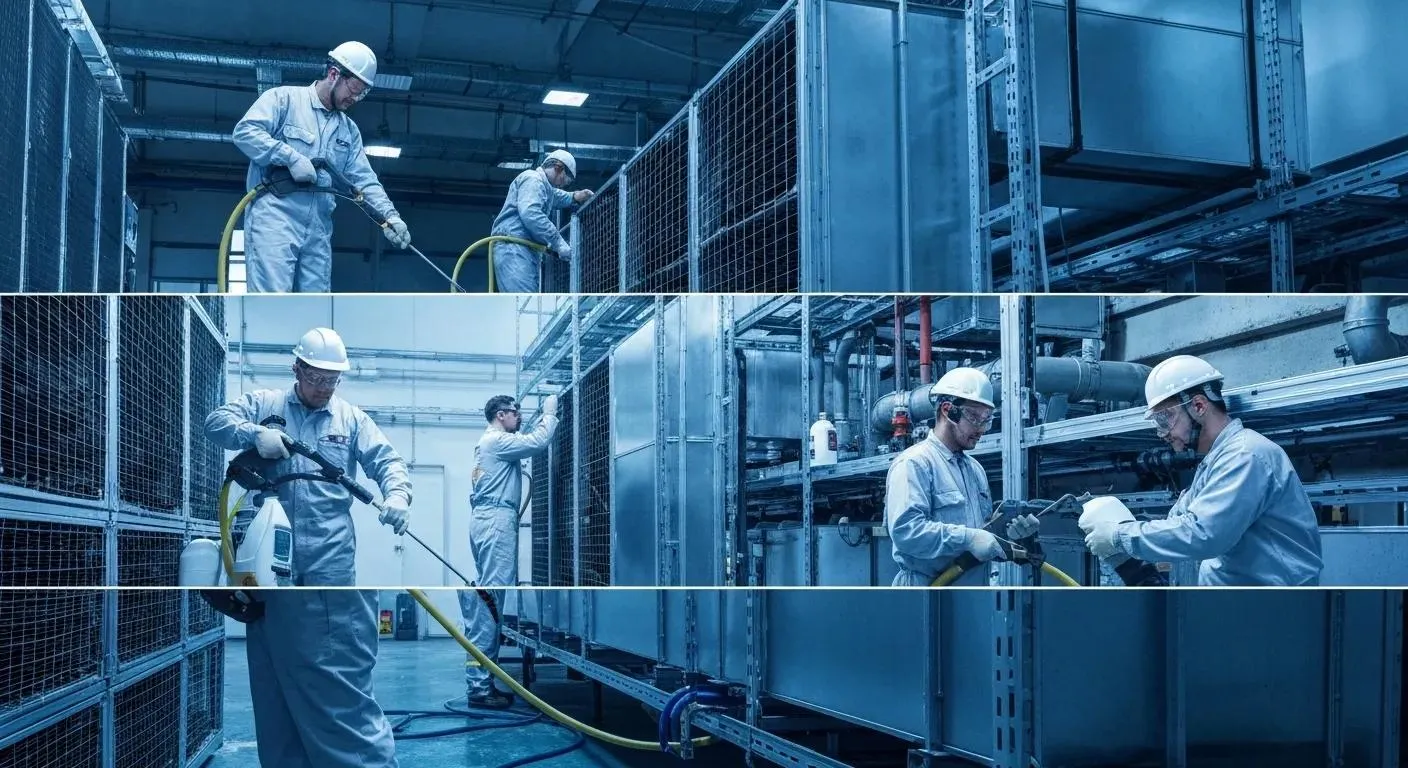
Certified HVAC technicians start with a full inspection to map the extent of biofilm involvement. They then use mechanical methods, brushing, HEPA extraction, and high-pressure flushing to physically remove the colony before applying EPA-approved biocide formulations that penetrate the remaining matrix and neutralize the bacteria at a cellular level.
Preventive measures are applied in the same visit: drain pan tablets, flow restrictors, or smart drain-line systems that maintain an inhospitable environment for bacterial regrowth between maintenance visits.
Expert Zoogloea Remediation Process in Oviedo, FL
Which Specialized Cleaning Techniques Remove Zoogloea Effectively?
| Component | Cleaning Method | Agent Used |
|---|---|---|
| Condensate drain line | High-pressure water flushing | Water pressure plus biocide rinse |
| Evaporator coil | Surface application | Foaming biodegradable coil cleaner |
| Drain pan | Physical extraction | HEPA vacuum plus disinfectant |
| Air handler cabinet | Targeted suction plus surface wipe | EPA-approved biocide |
The sequence matters. Mechanical removal must precede chemical treatment because the polysaccharide matrix in Zoogloea biofilm physically blocks disinfectants from reaching the bacteria underneath. Applying biocide to an uncleared drain line is the equivalent of spraying disinfectant on a sealed container.
Because R&A Industries holds both HVAC and plumbing licenses in Florida, our technicians treat the full drain system from the condensate pan through the PVC drain line to its discharge point or plumbing tie-in. Standard HVAC-only contractors are legally and technically limited to the HVAC side of the line. We are not. When a blockage sits deep in the condensate run or where it connects to the home’s main drain, our drain cleaning and hydrojetting capabilities clear it completely in the same visit.
How Preventive Maintenance Stops Zoogloea from Returning
The most effective long-term prevention combines system-level upgrades with a consistent maintenance schedule.
iFLO smart drain-line cleaners release a controlled dose of biocide into the condensate line on a timed cycle, maintaining a low-level inhospitable environment for bacteria between maintenance visits. Unlike drain pan tablets, which dissolve unevenly and can leave untreated periods, iFLO provides continuous protection.
ClearDrain zinc-infused PVC condensate pipe reduces Zoogloea adhesion at the surface level. Standard PVC provides a surface that biofilm bonds to readily. The zinc compound in ClearDrain pipe inhibits that initial adhesion, slowing colonization significantly.
Biannual coil cleaning removes the organic debris that feeds the biofilm before it can establish. Combined with duct cleaning to reduce the overall debris load in the air handler, it significantly extends the time between active biofilm treatments.
R&A Industries installs and supplies both iFLO and ClearDrain PVC as part of post-remediation prevention packages. ASHRAE Standard 62.1 recommends regular inspection and cleaning of condensate drain pans and lines as a core component of maintaining acceptable indoor air quality, a standard that applies to both residential and commercial systems.
Prevent Zoogloea Buildup in Your Oviedo AC System

What Regular Maintenance Schedules Help Avoid Zoogloea Growth?
Consistent maintenance is what keeps Zoogloea from re-establishing between professional treatments. The schedule for Central Florida homes:
Every one to three months: Replace air filters. Clogged filters increase the organic debris load inside the air handler and reduce airflow, creating warmer, stagnant conditions in the drain pan that favor bacterial growth.
Every three months: Condensate drain line inspection and flush. Early-stage Zoogloea can be cleared with a simple flush. A fully established colony requires professional treatment. Catching it early is always less expensive.
Twice per year: Full system tune-up including coil cleaning, drain pan treatment, and biocide application. Our HVAC maintenance plan covers both seasonal visits at $18 per month, including 15% off all repairs and priority emergency scheduling.
Annually or after active Zoogloea treatment: Air duct cleaning to remove accumulated debris from the ductwork that feeds future biofilm growth.
How Do UV Lights and Biocide Treatments Inhibit AC Slime Formation?
UV-C germicidal lamps mounted inside the air handler emit short-wavelength ultraviolet light at 254 nanometers, the wavelength most effective at disrupting bacterial DNA and preventing reproduction. A UV-C lamp positioned to irradiate the evaporator coil and drain pan surface neutralizes Zoogloea bacteria before they can establish a colony.
The CDC’s guidance on ultraviolet germicidal irradiation supports UV-C as an effective method for controlling biological contaminants in HVAC systems. When paired with periodic biocide injection into the drain pan, UV-C treatment breaks the Zoogloea growth cycle at its earliest stage rather than treating established biofilm after the fact.
R&A Industries installs UV-C systems as part of our indoor air quality services. For homes with chronic Zoogloea problems or residents with respiratory sensitivities, UV-C installation is the highest-impact preventive measure available.
What Role Does Humidity Control Play in Zoogloea Prevention?
Zoogloea requires sustained moisture to grow. Reducing the amount of standing water inside your air conditioning system directly reduces the bacteria’s ability to colonize.
Keeping indoor relative humidity between 40 and 60 percent, the range recommended by the American Lung Association for healthy indoor air, removes the environmental conditions Zoogloea depends on. Practical steps for Oviedo homes:
- Run the AC consistently during humid months rather than cycling it off for extended periods
- Seal ductwork penetrations to prevent warm, humid attic air from entering the supply side
- Consider a whole-home dehumidifier if indoor humidity consistently exceeds 60%
- Maintain a clear condensate drain so moisture exits the system promptly rather than pooling
Choose a local HVAC Contractor for Professional Zoogloea Remediation in Oviedo, FL
What Makes Zoogloea Remediation Services Specialized and Effective?
Zoogloea remediation is not a standard AC service call. It requires a technician who understands biofilm biology, carries appropriate cleaning agents, has the equipment to clear deep condensate line blockages, and holds the plumbing license to legally work on the full drain system.
What separates effective remediation from a surface flush:
- Mechanical removal before chemical treatment
- Full drain line access from pan to discharge point
- EPA-approved biocide formulations matched to the biofilm type
- Post-treatment preventive installation (iFLO, ClearDrain PVC, UV-C)
- Follow-up maintenance plan to prevent recurrence
R&A Industries is licensed in HVAC (CAC1820213), plumbing (CFC1433199), and electrical (EC13008418) across Florida. Alan Jones has led the company since entering the electrical trades in 2000, expanding into plumbing in 2013 and HVAC in 2014. That full-trade capability is what makes complete Zoogloea treatment possible in a single visit.
The R&A Industries Way: Slime-Free, Efficient AC Systems
After removing Zoogloea, R&A Industries restores the system to its correct operating condition: clean coils, clear drainage, tested airflow, and a written report of everything found and treated.
The post-treatment process for most Oviedo homes includes iFLO installation to maintain clear drainage between visits, a ClearDrain PVC upgrade where standard pipe has developed recurring buildup, a maintenance plan enrollment to protect the work long-term, and a duct cleaning recommendation if the biofilm has been active for more than one season.
Homes treated by R&A Industries consistently report fresher indoor air, quieter system operation, and measurable reductions in monthly energy use after Zoogloea is cleared. Removing biofilm from the evaporator coil restores heat transfer efficiency directly, which reduces the runtime your compressor needs to reach the thermostat setpoint.
What Do Oviedo Homeowners Say About Local Zoogloea Removal Services?
Homeowners across Oviedo and Central Florida consistently highlight three things after Zoogloea treatment: the smell disappears immediately, the air feels cleaner within the first day of operation, and the system is noticeably quieter without the strain of restricted airflow.
The transformation is a direct result of restored coil efficiency and clear condensate drainage. When the system does not have to work around a biofilm blockage, it runs at the performance level it was designed for.
Take Control of Your AC’s Health: Choose R&A Industries for Lasting Zoogloea Protection
Zoogloea starts as a thin film in a drain pan that most homeowners never see. By the time it produces noticeable symptoms, the smell, the puddle, the shutdown, it has usually been active for at least one full season.
Early detection and consistent prevention cost a fraction of what active remediation and water damage repair require. R&A Industries offers same-day inspections across Oviedo and Central Florida, with residential service calls starting at $99, commercial at $109, and after-hours at $149. Seniors and military personnel receive 10% off.
As the only contractor in Central Florida licensed in both HVAC and plumbing, we treat the complete condensate system, not just the portion visible from the air handler panel.
Schedule your inspection or call (407) 384-0034.