Skip to content




In Central Florida’s humid months, your air conditioner does far more than cool the house. It pulls gallons of moisture out of the air every day, and all of that water drains away through a single narrow condensate line. Warm, damp, and dark, that line is the perfect place for zoogloea, a slimy bacterial film, to take hold and slowly choke off the flow.
Left alone, that slime leads to musty odors, water around the air handler, and a system that shuts itself off on the hottest afternoon of the year. Keeping the drain clear is simple once you know what to watch for, and when to call professional AC repair in Orlando for help.
What Zoogloea Is and Why Your AC Drain Breeds Itḥ

Zoogloea is a gelatinous colony of bacteria that clings to wet surfaces, and the inside of an AC condensate line gives it everything it wants. As your evaporator coil pulls humidity from the air, water trickles into the drain pan and out through the line, leaving the walls constantly damp. Add summer warmth and a dark, enclosed space, and the slime spreads fast.
Several conditions come together to make that line ideal for growth. The evaporator coil pulls humidity from indoor air, feeding a steady trickle of water into the pipe, and warm summer temperatures speed up bacterial growth far beyond what cooler months allow. Dust and organic debris from the air settle in the drain pan and feed the film, while the dark, enclosed 3/4-inch PVC line stays damp around the clock, which is exactly what zoogloea needs to take hold.
Understanding why the slime forms is the first step, but the real trouble starts as it accumulates. A thin film today becomes a stubborn plug in a matter of weeks, and the way it builds inside the line explains why a drain that worked fine in spring can back up during the first big heat wave.
How Slime Builds Up Inside the Condensate Line
Buildup in a condensate line happens in layers, not all at once. It starts as a thin biological film on the damp PVC walls, then thickens as more bacteria, dust, and algae attach to it. In Central Florida’s humidity, a neglected line can clog completely within a single cooling season, leaving the water your AC removes with nowhere to go.
| Stage of Buildup | What Is Happening | Result |
|---|---|---|
| Thin film forms | Bacteria coat the damp line | Flow narrows slightly |
| Algae and dust collect | Debris feeds the slime layer | Drainage slows noticeably |
| Slime plug forms | Buildup blocks the pipe | Water backs into the pan |
| Pan fills past the limit | Safety float senses backup | System shuts off or leaks |
As that plug forms deep in the line, your system starts giving off clear warnings before it fails outright. Most homeowners miss them because the early signs are easy to brush aside. Knowing what they look, sound, and smell like is what turns a quick cleaning into a problem you catch before the ceiling stains ever appear.
Warning Signs Zoogloea May Be Growing in Your AC Drain Line

A clogged condensate line rarely fails without warning. Long before water reaches your ceiling, small clues show up around the indoor unit and in the air itself. Catching them early usually means a simple flush instead of a repair bill for water damage. Pay closer attention during the most humid stretches, when your AC produces the most condensate and the line works hardest.
- Musty Odor: A damp, sour smell near vents or the air handler signals slime in the line.
- Water Pooling: Moisture or puddles around the indoor unit point to a backed-up drain pan.
- System Shutdowns: A tripped float switch turns the AC off to stop water from overflowing.
- Ceiling Stains: Brown spots near the air handler mean the drain pan has already overflowed.
- Higher Humidity: Sticky indoor air can mean the system is not draining moisture properly.
Spotting these signs early is helpful, but staying ahead of them is even better. The good news is that keeping a condensate line clear takes very little effort once it becomes a habit. A few simple routines through the cooling season do far more to prevent clogs than any single emergency call ever could.
Simple Habits That Keep Your AC Drain Clear
Preventing zoogloea in your condensate line is mostly about denying it the chance to settle and grow. Small, regular steps keep the slime from ever forming a plug. The goal is to flush the line, treat the pan, and keep dust out of the system before buildup has a chance to take hold during the busiest part of summer.
A few easy routines do most of the work. Pouring a cup of distilled vinegar into the drain access port every one to three months helps keep the line clear, and changing your air filter on schedule means less dust settles into the drain pan to begin with. An algae-prevention tablet in the pan slows biological growth between cleanings, and a quick glance at the outdoor drain termination, checking for a steady drip while the system runs, confirms water is still moving. Keeping the area around the air handler dry also makes any early leak easy to spot.
These habits handle most light buildup, but they have limits. Once slime hardens into a full plug deep in the line, vinegar and tablets cannot reach it. When drainage stays slow, odors linger, or the float switch keeps tripping, a quick professional drain flush clears what home methods cannot.
What Professional AC Drain Cleaning Includes

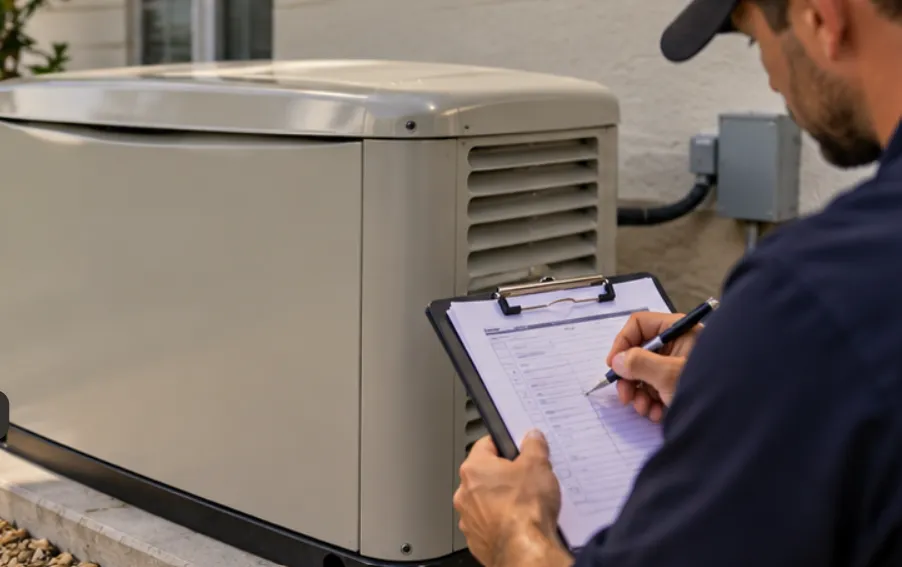
When home methods stop working, a professional cleaning clears the full condensate line and the drain pan, not just the easy-to-reach end, and it often pairs well with air handler and duct cleaning for cleaner airflow. A technician removes the slime plug, flushes the entire run, and confirms water flows freely again, so your AC drains reliably through the rest of the season.
- Line Clearing: A wet/dry vacuum or compressed air pulls the slime plug out of the pipe.
- Full Flush: The technician flushes the line to wash away loosened film and leftover debris.
- Pan Cleaning: Clearing and treating the drain pan removes the source that feeds new slime.
- Float Switch Check: Testing the safety switch confirms it will shut the system off if needed.
- Algaecide Treatment: A pan tablet or treatment slows regrowth until the next service visit.
A cleaning like this is far quicker than the water damage it prevents, and knowing what the visit involves makes it easier to schedule before trouble starts. Most homeowners are surprised how routine the service is, especially when it is folded into a seasonal tune-up rather than booked as an emergency in the middle of a heat wave.
What to Expect During an AC Drain Service
An AC condensate drain service is more routine than most homeowners expect, and a good technician keeps you informed at each step. The visit usually follows a clear sequence, from inspection to clearing to a final test, so you understand what was clogging the line and how it was fixed. Here is how a typical service tends to unfold in a Central Florida home.
Inspection
The technician starts at the indoor unit, checking the drain pan, the access port, and the float switch. This shows how far the buildup has spread and whether water has already overflowed, so the cleaning targets the real problem instead of guessing at where the slime is sitting.
Clearing the Line
Next, the line is cleared from the access point or the outdoor termination, often with a wet/dry vacuum or compressed air. The aim is to pull the entire slime plug free and flush the full run, not simply open a narrow channel that clogs again within days.
Treatment and Testing
With the line clear, the technician cleans and treats the pan, then runs the system to confirm water drains freely and the float switch works. Adding an algaecide tablet helps slow regrowth, giving you a realistic plan to keep the drain flowing through peak season.
Clearing an AC drain is simple work when the right technician handles it, but the lasting result depends on a thorough job and honest reporting. A tech who clears only the visible end leaves slime behind, and you are mopping up again within weeks. The one who flushes the full line and checks the pan is the one worth keeping.
Why Choose R&A Industries for AC Service in Orlando, FL
A slimy condensate line does not clear itself, and a quick poke at the outdoor pipe rarely reaches the real plug. The zoogloea lives deep in the line and keeps growing on the moisture your AC produces, so the same musty odors, shutdowns, and slow drainage keep returning.
At R&A Industries, our HVAC technicians have served Central Florida since 2001, and we know how humidity and constant run times turn a neglected drain line into a summer breakdown. We clear the full line, clean the pan, and test the safety switch, all backed by honest AC diagnostics and service.
If your vents smell musty, your AC keeps shutting off, or water is pooling near the air handler, do not wait for a ceiling stain. Reach out to schedule an AC drain cleaning and keep your system flowing clean.