Skip to content




In Oviedo’s long, humid summers, one room that stays hot while the rest of the house feels cool is more than a minor annoyance. It usually means your air conditioner is working hard, and costing you money to run, without actually delivering comfort where you need it. That single warm room often points to a fixable problem rather than a failing system.
The cause is rarely the air conditioner alone. Industry studies show that duct leaks and poor airflow can waste 20 to 30 percent of the cooled air your system produces before it ever reaches a room. When that loss concentrates in one area, that room heats up while your energy bill climbs and the unit runs longer than it should.
This guide answers the question directly. Why is one room still hot when your Oviedo AC is running? It walks through the most common causes, the quick checks you can make yourself, and the professional solutions that actually fix the imbalance. By the end, you will know what is happening and what to do about it before the next heat wave arrives.
Why One Room Stays Hot While the Rest of the House Is Cool
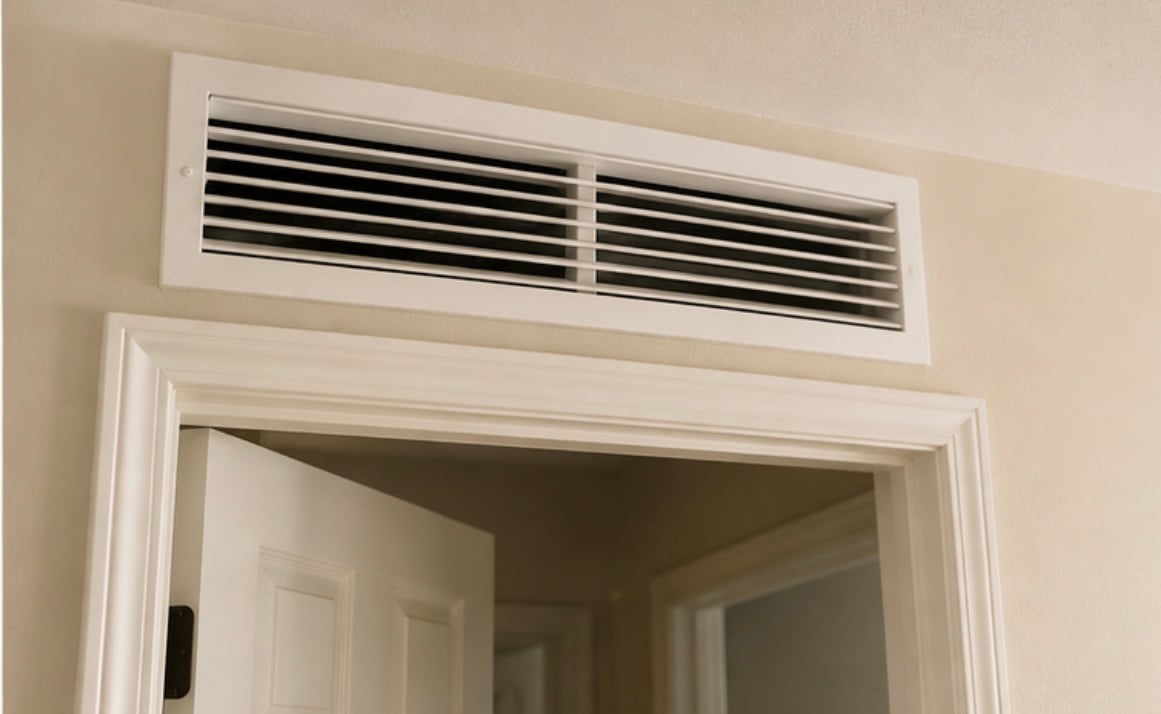
A central air conditioner is designed to cool your whole home evenly, so when one room lags behind, something is interrupting that balance. The problem is almost always about how cooled air is delivered and returned, not the temperature the system produces. Air takes the path of least resistance, and one room can easily get shortchanged along the way.
That imbalance shows up most in rooms that are far from the air handler, upstairs, or exposed to direct Florida sun. Understanding which of these factors applies to your hot room is the first step. Often it is a combination of two or three small issues that add up to one uncomfortable space the rest of the house never notices.
The Most Common Causes of a Single Hot Room
Several culprits show up again and again in Oviedo homes. Here are the ones a technician checks first, and the reasons each one leaves a single room warmer than the rest of the house.
Leaky or Poorly Designed Ductwork
Ducts that leak, sag, or were poorly designed are the leading cause. A disconnected or crushed duct in the attic can rob a single room of most of its airflow, while leaks let cooled air escape into unconditioned spaces. Because much of Oviedo’s ductwork runs through hot attics, these losses are both common and costly during summer.
Airflow Imbalance and Blocked Vents
Sometimes the fix is simpler. Furniture over a register, a closed damper, or vents that were never balanced can starve one room of air. Return vents matter too, since a room needs a path for air to leave as well as enter. A quick look often reveals a blocked supply or return quietly working against your comfort.
Insulation, Windows, and Sun Exposure
The room itself may be the problem. West-facing rooms, spaces over a garage, and rooms with poor insulation or older windows gain heat faster than the system can remove it. In these cases the air conditioner is delivering enough cool air, but the room loses it just as quickly, so the temperature never quite catches up.
A Room That Suddenly Became Hot
Pay attention if the room was comfortable in previous summers but has recently started staying warmer. A sudden change can point to a disconnected or damaged duct, a failing blower, restricted airflow, or another HVAC problem rather than normal temperature variation. If the room is getting progressively hotter while the rest of the house remains comfortable, it is worth having the system evaluated before the problem develops into a larger repair.
The key is to look for a pattern rather than assuming one cause. If the hot room also has weak airflow, unusual noises, higher humidity, or the AC running longer than usual, those clues can help a technician narrow down the problem. When the imbalance persists despite basic checks, professional air conditioning repair can identify the underlying issue and restore more consistent comfort.
Quick Checks You Can Do Yourself
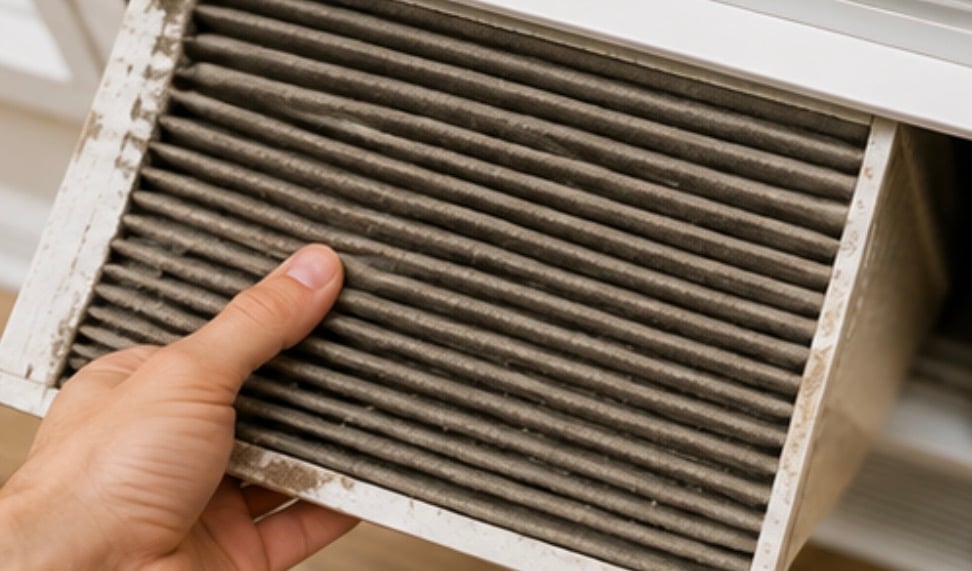
Before scheduling service, check the simple things that can restrict cooling to one room. Make sure the air filter is clean, supply and return vents are open and unobstructed, and furniture or curtains are not blocking airflow. Also note whether the room becomes hotter at a particular time of day, since that pattern can help identify the underlying cause.
- Replace a dirty filter. A clogged filter chokes airflow to the whole system and hits the farthest rooms hardest. Change it every 1 to 3 months.
- Open and unblock all vents. Make sure furniture, rugs, and drapes are not covering the supply or return registers in the hot room.
- Confirm the vents are actually blowing. Weak or no airflow at the register points to a duct problem rather than a room problem.
- Close blinds during peak sun. For west-facing rooms, blocking the afternoon sun reduces heat gain noticeably.
If these steps even out the temperature, the issue was minor and you have saved yourself a service call. If the room stays hot despite a clean filter, open vents, and shaded windows, the cause is likely inside the ductwork or the system itself, and that is where a professional inspection pays off.
When to Call a Professional Technician
Persistent hot rooms usually need trained eyes and instruments. A technician can measure airflow at each register, test for duct leaks, and check the refrigerant charge and system capacity. If your air conditioner is undersized for the home, or an aging system is losing capacity, no amount of vent adjusting will fix it, and a professional AC repair is the right next step.
Signs the Problem Needs a Deeper Look
- Weak airflow: The problem room receives substantially less air than nearby rooms.
- Constant AC operation: The system runs for long periods but the room still does not reach the thermostat setting.
- High humidity: The room feels warm and sticky even when other areas feel comfortable.
- Rising energy bills: Longer runtimes are increasing cooling costs without improving comfort.
- Uneven temperatures: Multiple rooms show a consistent pattern of being too warm or too cold.
- New symptoms: The imbalance appeared after ductwork, remodeling, or HVAC work.
Call sooner rather than later if the hot room comes with high humidity, rising energy bills, or a system that never seems to cycle off. These signs suggest the imbalance is straining the equipment. Prompt air conditioning service can catch a small duct or airflow issue before it grows into a compressor problem or a full breakdown.
How a Professional Fixes a Hot Room
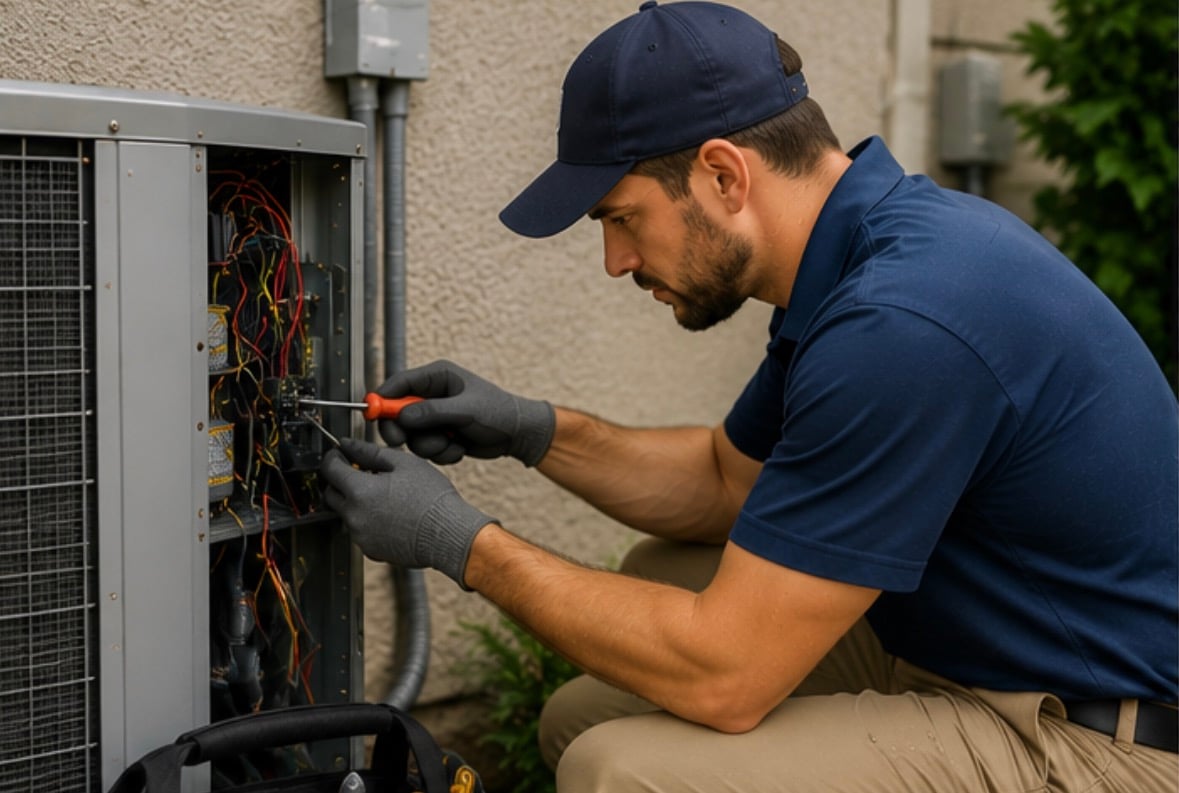
Once the cause is identified, the solution should target the specific reason that room is falling behind rather than simply making the air conditioner run longer. A technician should compare airflow and temperatures, inspect accessible ductwork, evaluate the return-air path, and determine whether the equipment is delivering the cooling it should.
| What the technician finds | Appropriate solution |
|---|---|
| Leaking or disconnected duct | Seal, reconnect, or repair the affected duct |
| Weak airflow to one room | Balance airflow or correct duct restrictions |
| Poor return-air path | Improve or add return-air capacity |
| Aging or incorrectly sized AC | Evaluate properly sized replacement options |
| Excessive heat entering the room | Address insulation, windows, or solar exposure |
| One isolated area needs extra cooling | Consider zoning or a ductless solution |
The important point is to diagnose before replacing equipment. If the AC itself is healthy, a duct or airflow correction may solve the problem at a fraction of the cost of a new system. If the equipment is genuinely undersized or failing, a professional AC installation can address the broader capacity issue.
A good air conditioning contractor should explain what was measured, what was found, and why the recommended solution will correct the temperature imbalance. That gives you a clear path forward instead of paying for repeated adjustments that leave the same room hot next summer.
Why Choose R&A Industries in Oviedo, FL
When one room stays hot, the right AC contractor should find out why before recommending a major equipment change. R&A Industries has served Oviedo and Central Florida since 2001, with licensed technicians who evaluate airflow, ductwork, equipment performance, and other factors that can create uneven temperatures. The team holds Florida HVAC license CAC1820213 and has built a 4.9-star local reputation.
Whether the solution is a ductwork correction, targeted comfort upgrade, or properly sized air conditioning installation, the recommendation should match what your home actually needs. For homeowners with a newer system, a maintenance plan can also help identify airflow restrictions, equipment wear, and other developing issues before they turn into another uncomfortable summer.
If one room in your Oviedo home remains hot while the AC is running, do not assume the entire system needs to be replaced. Have the problem properly diagnosed, understand the cause, and choose a HVAC contractor who can explain the solution clearly and fix the underlying comfort issue.